An Intellectual Session on “Financial Literacy: The Path to Financial Independence”
Being able to earn money is important, but knowing how to spend it wisely and save responsibly is equally essential. Financial literacy is one of the key life skills that young people need in today’s world. Those who can manage their finances effectively are better equipped to prevent financial difficulties and build a secure future.
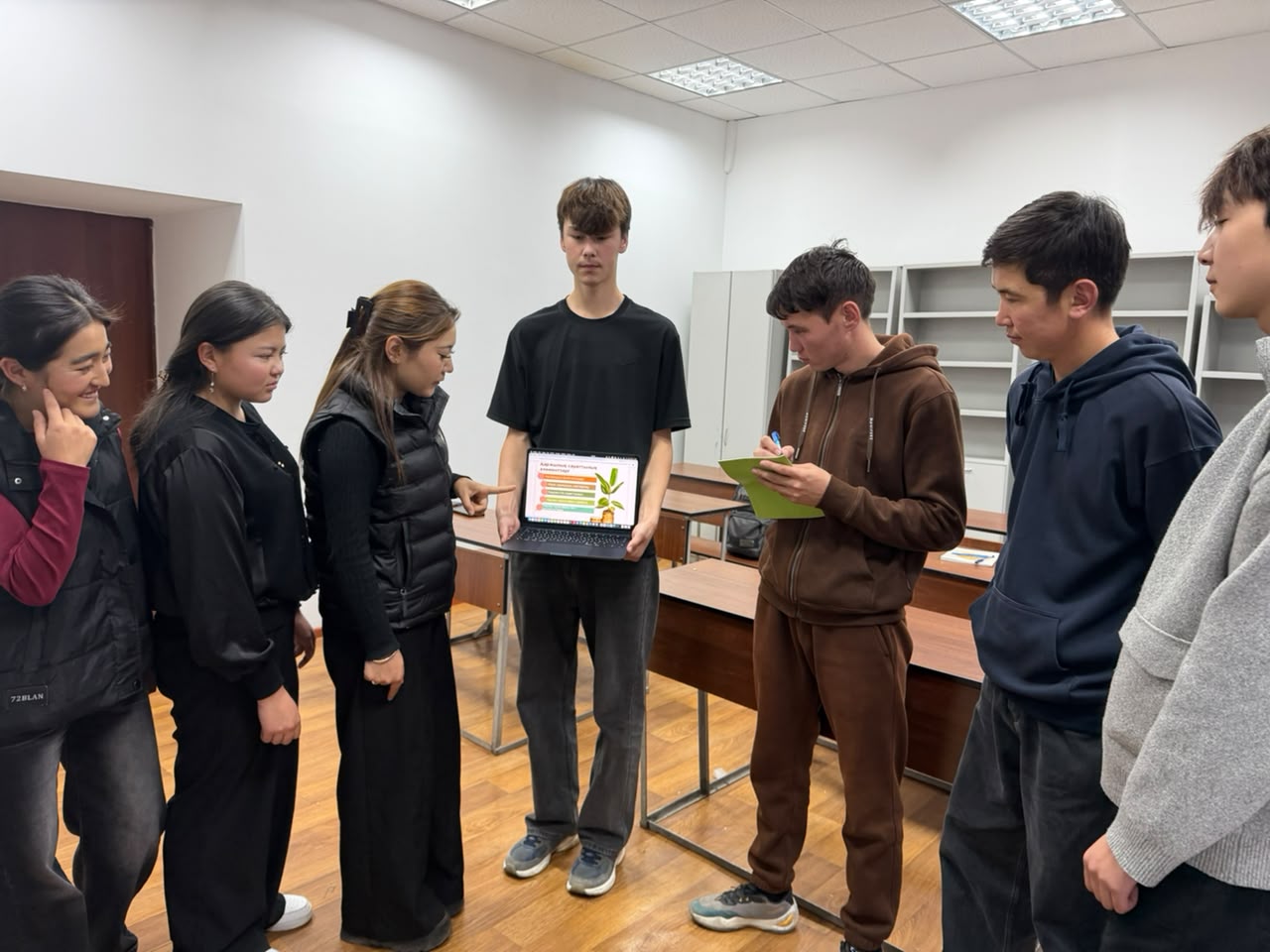
With this aim, an intellectual session entitled “Financial Literacy: The Path to Financial Independence” was held for students of the Department of Pre-University Preparation.
During the session, participants discussed effective financial management, tracking income and expenses, saving money, and setting financial goals. Through a variety of questions and engaging activities, they tested their knowledge and explored financial situations that may arise in everyday life.
One of the highlights of the event was an exchange of views on the financial cultures of different countries. Students from China and Mongolia shared information about spending habits, saving practices, financial planning, and family budgeting in their home countries. They shared their experiences and compared similarities and differences in their approaches to managing money. This discussion helped participants gain a better understanding of one another’s lifestyles and broaden their perspectives on financial habits and attitudes.
The next activity, “Need or Want?”, encouraged participants to analyse everyday expenses and distinguish between essential needs and non-essential wants. The task demonstrated the importance of avoiding impulsive spending and prioritising essential needs when making financial decisions.
In the “Planning My Personal Budget” activity, participants were asked to allocate a hypothetical monthly income to different expenses, including food, transportation, educational supplies, and other necessities. They also explored ways to set aside a portion of their income for savings.
One of the most engaging parts of the intellectual session was a debate. Participants were divided into two teams to discuss the question: “Which is more important for achieving financial independence: saving money or increasing income?” One team argued for the importance of saving and effective budget planning, while the other emphasised the need to increase income by developing additional sources of earnings. Each participant supported their position with examples and responded to the arguments presented by the opposing team. The discussion highlighted that both responsible saving and increasing income play important roles in achieving financial independence.
In addition, during the “Financial Knowledge Challenge”, participants answered questions related to personal finance. In the “Finding a Way Out of a Financial Situation” activity, they proposed solutions to various real-life financial scenarios. They shared their thoughts on preparing for unexpected expenses, avoiding suspicious financial offers, and managing personal finances responsibly.
The intellectual session not only provided participants with new knowledge about financial literacy but also created opportunities to exchange ideas, learn from one another’s experiences, and develop their ability to express and justify their opinions.
Financial independence does not begin with a high income alone. It starts with valuing the money we have, spending it wisely, and making thoughtful financial decisions. Sound financial choices today lay the foundation for a more secure future tomorrow.
Other news