“Healthy Nation — Bright Future: Ancestral Heritage and Modern Medicine”.
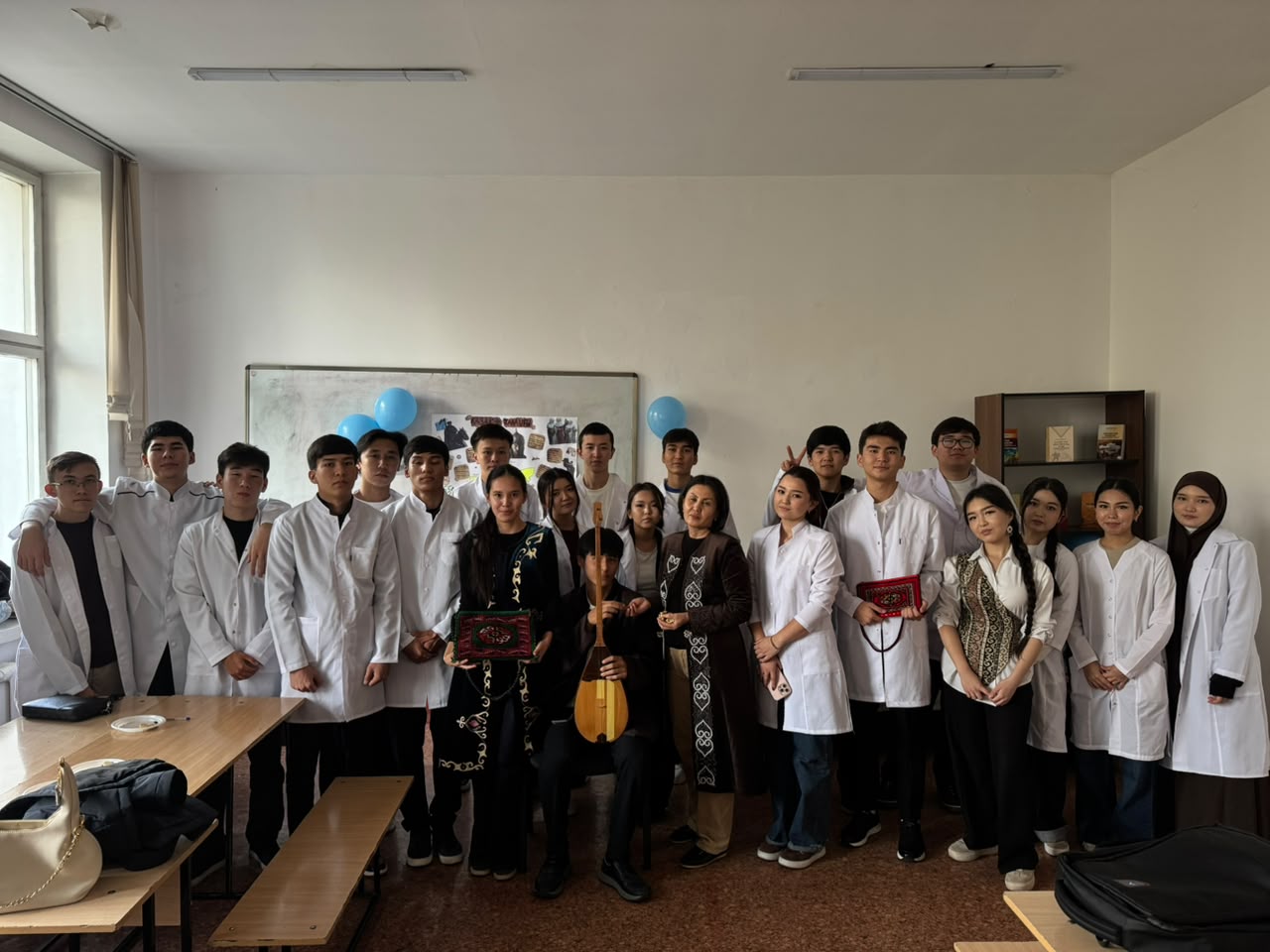
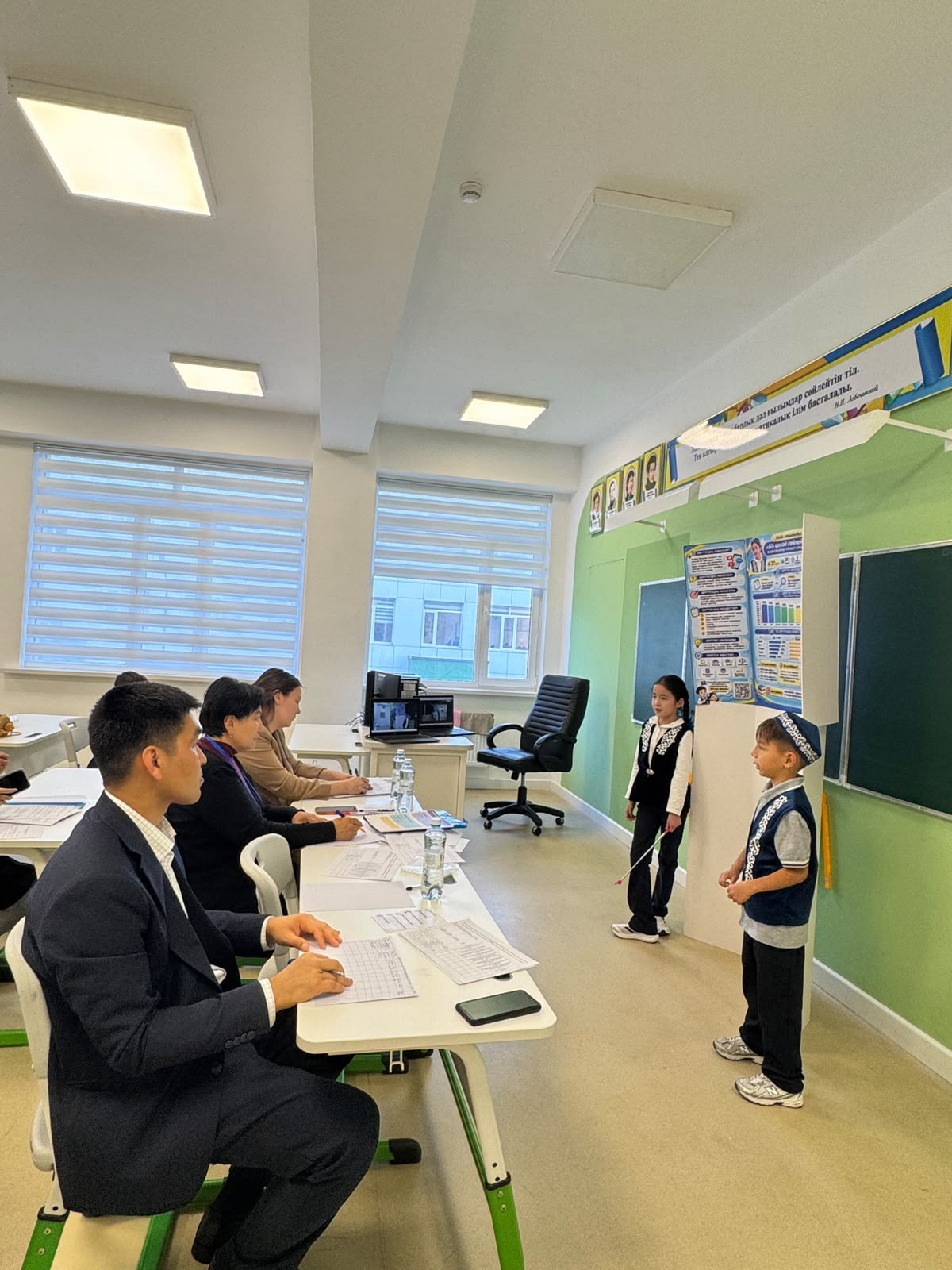
As part of the implementation of the UN Sustainable Development Goals (SDGs) Priority Area 1 — “Social Development: Eradicating Poverty, Reducing Inequality, Providing Quality Education, and Improving the Healthcare System” — the Faculty of Medicine and Healthcare hosted a round table titled “Healthy Nation — Bright Future: Ancestral Heritage and Modern Medicine”.
The primary objective of the event was the scientific exploration of the spiritual and material culture of the Kazakh people, alongside a theoretical validation of the importance of preserving and promoting cultural heritage as a "National Code" within the mindset of future medical specialists.
A Scientific Approach to Ancestral Traditions
During the event, particular emphasis was placed on the material culture of nomads through the prism of modern medicine. As part of the exhibition-presentation “National Dishes — The Key to Health,” future dentists delivered reports presenting a comprehensive analysis of traditional Kazakh dairy products, such as qurt, irimshik, koumiss, and shubat. The students scientifically demonstrated how the rich vitamin and mineral profiles of these products enhance human health and bolster overall immunity.
The practical session continued with a masterclass titled “Eco-Culture and Health.” Round table participants discussed the development of clean eating habits and environmental consciousness among today's youth. The students clearly demonstrated the benefits of our ancestors' natural diet in comparison to the detrimental impact of modern fast food and high-sugar products on the human body.
Bridging Generations: History, Art, and Medicine
Beyond the medical aspects, the round table program featured an extensive historical and literary section. Participants analyzed the rich creative heritage of Kazakh akyns (poets) and zhyraus (bards), whose works reflect pivotal historical milestones, ethical standards, and the core philosophy of steppe civilization.
The event vividly demonstrated the importance of synergy between the humanities and medical sciences. This interdisciplinary approach not only broadens the horizons of first-year students but also fosters socially responsible, culturally aware professionals capable of advancing the healthcare system while remaining grounded in national values.
Organizer: Acting Associate Professor of the Faculty of History,
M.K. Davutbekova
Other news