UNIVERSITY–INSTITUTE COLLABORATION: CONNECTING EDUCATION WITH INDUSTRY
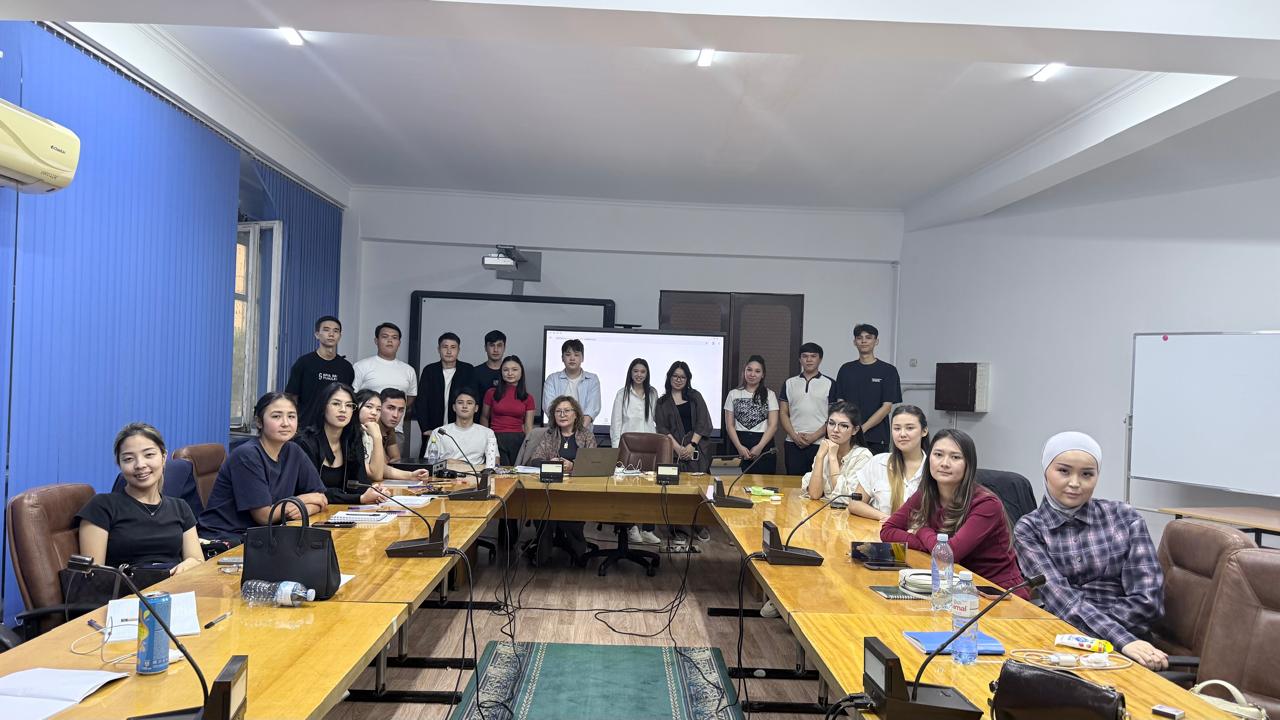
Cooperation between the UNESCO Chair for Sustainable Development at the Faculty of Geography and Environmental Sciences of Al-Farabi Kazakh National University and the D. A. Kunaev Institute of Mining provides students with opportunities to connect their academic knowledge with a real professional environment. Since the beginning of the academic year, undergraduate students and first- and second-year master's students from KazNU have been attending classes at the Institute, where they learn about scientific research in the mining sector, technical solutions used in industry, and the practical aspects of their future professions.
Preparing specialists for industry requires more than theoretical knowledge. Future engineers and safety professionals need to understand how industrial challenges are addressed, why particular equipment and technologies are used, and how workplace hazards are identified and assessed. Classes held at a research institute allow students to discuss these issues directly with professionals and see how the knowledge acquired during their studies is applied in practice.
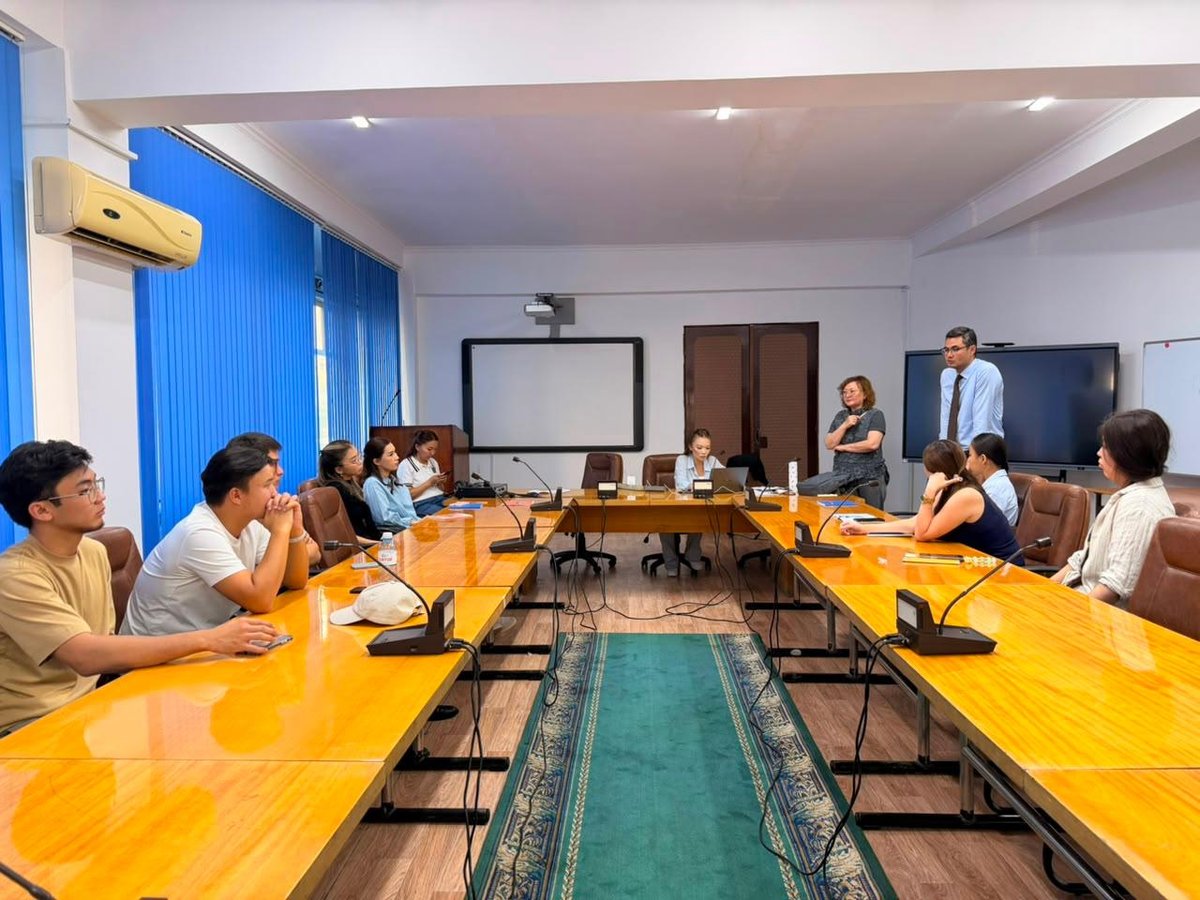
Earlier this year, KazNU and the D. A. Kunaev Institute of Mining signed a memorandum of cooperation. The memorandum provides for collaboration in workforce training, professional development, joint educational initiatives, guest lectures and professional meetings, student internships, and support for graduate employment. The two institutions have also reached an agreement on organizing professional internships for students. Within this framework, the Institute provides opportunities for practical training, helps ensure safe working conditions, and offers access to laboratories, classrooms, workshops, the library, and technical documentation.
This form of cooperation is particularly important for students specializing in occupational safety, industrial safety, environmental protection, and life safety. Ensuring safety in industrial settings requires professionals not only to identify hazardous factors but also to understand how associated risks can be prevented or reduced. Direct interaction with specialists in a professional environment, familiarization with technical documentation, and exposure to laboratory activities therefore complement students' academic training and help prepare them for their future careers.
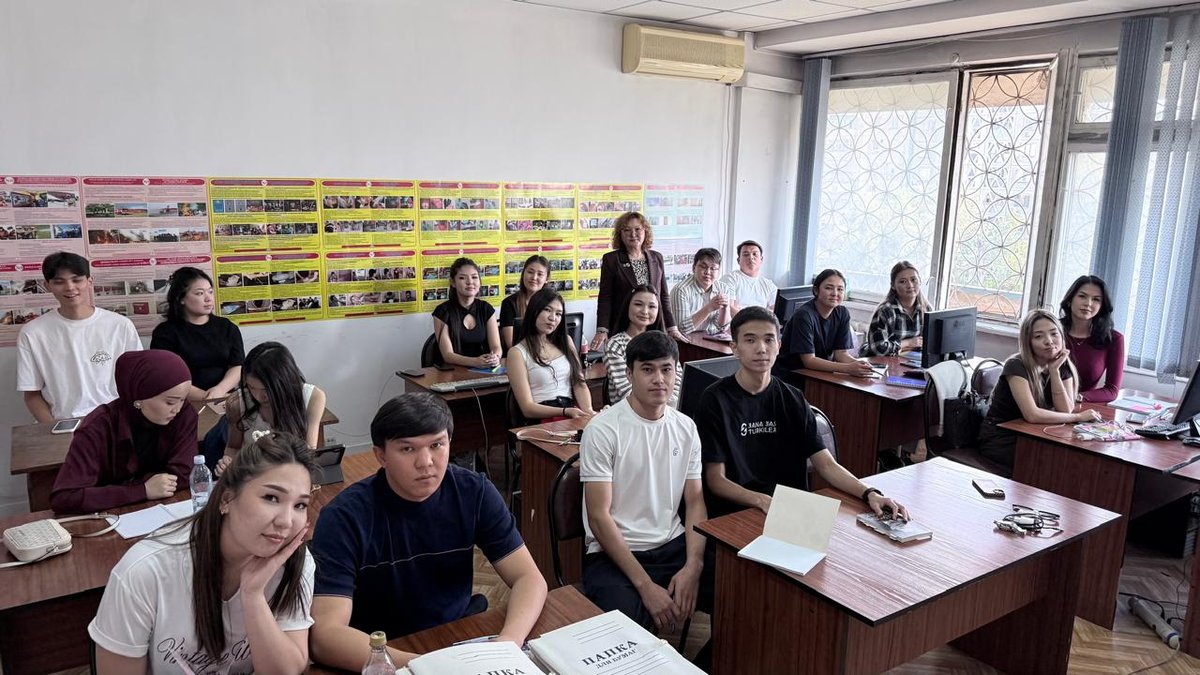
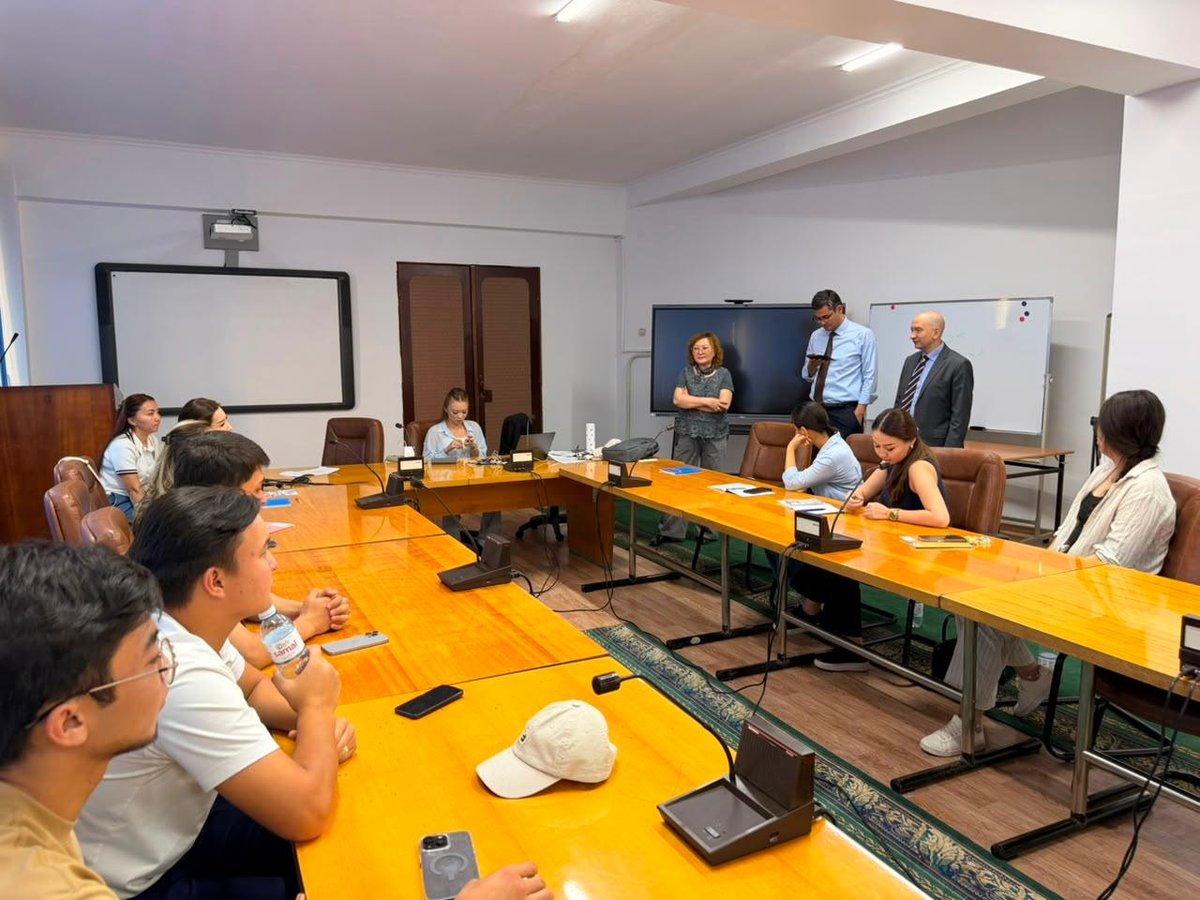
During a meeting with students, the Institute's Director, PhD holder Erzhan Tursynuly Uteshov, spoke about the Institute's current activities, its main research areas, and the challenges facing the mining industry. Deputy Director E. A. Shabelnikov also took part in the meeting and exchanged views with students on professional development and the importance of scientific and practical work. The discussion highlighted the value of combining theoretical knowledge with practical experience and gaining a clearer understanding of one's future profession in a real working environment.
As part of the career guidance programme, Artem Kolotaev, a specialist from the Industrial Safety Training and Consulting Centre, provided information about careers in industrial safety, professional training opportunities, and the requirements expected of specialists in the field. Meetings of this kind help students better understand their prospects in the labour market, identify their future career paths, and assess the skills employers expect them to develop.
Holding classes for KazNU students at the Institute is a practical step towards strengthening the link between education and industry. This cooperation enables students not only to gain a deeper understanding of their academic subjects but also to develop an interest in research, learn from experienced professionals, and plan their future careers.
Ultimately, preparing specialists who meet industry's needs depends on sustained cooperation between universities, research institutions, and employers. The joint efforts of KazNU and the D. A. Kunaev Institute of Mining are aimed at strengthening these links. By gaining practical exposure today, students can become professionals who contribute to improving industrial technologies, promoting occupational safety, and advancing the development of the sector in the future.
A. K. Kozhakhan
Associate Professor, UNESCO Chair for Sustainable Development
Candidate of Technical Sciences
Other news