The Legacy of the Teacher of the Nation: Lessons for the Younger Generation.
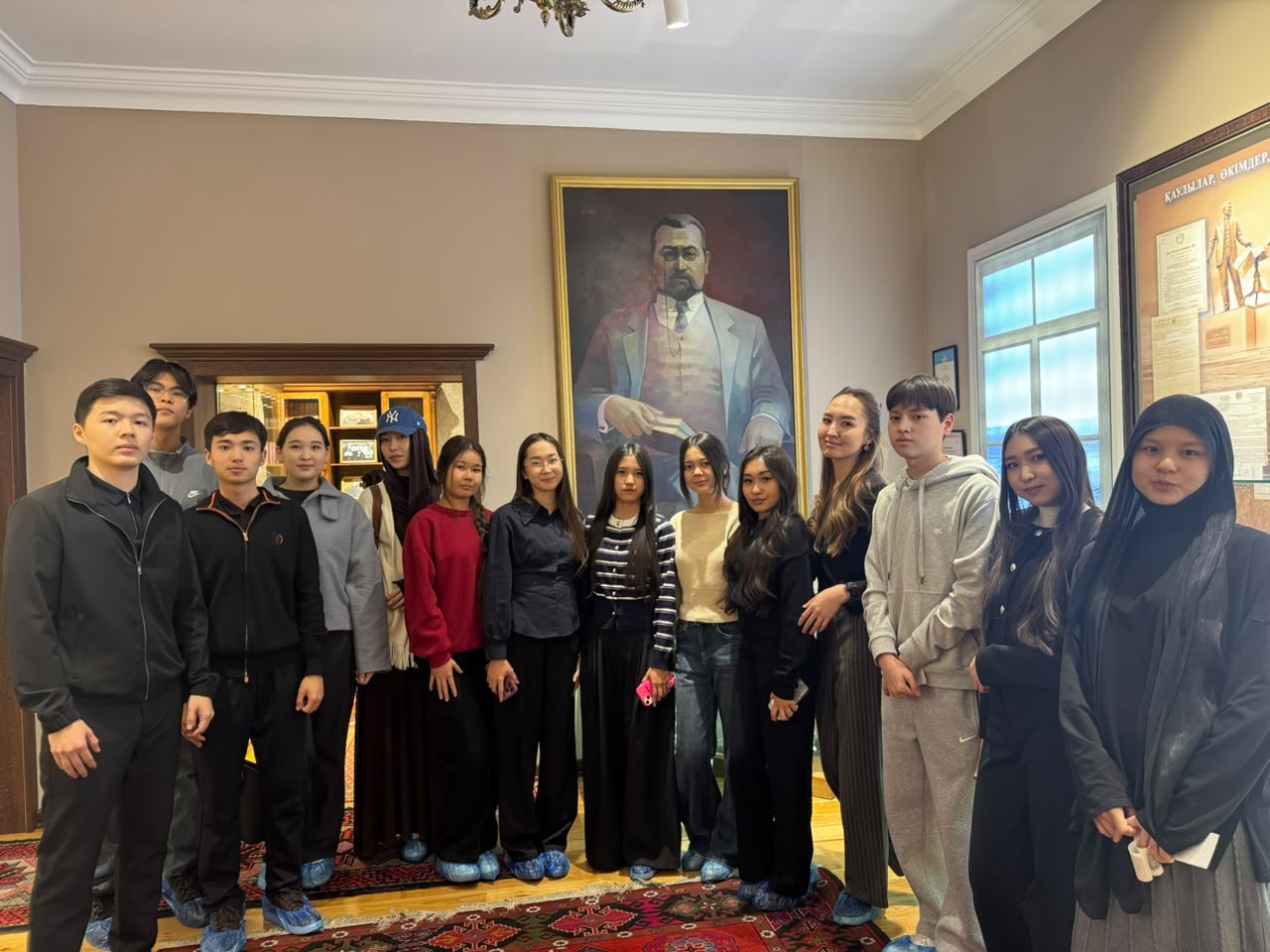
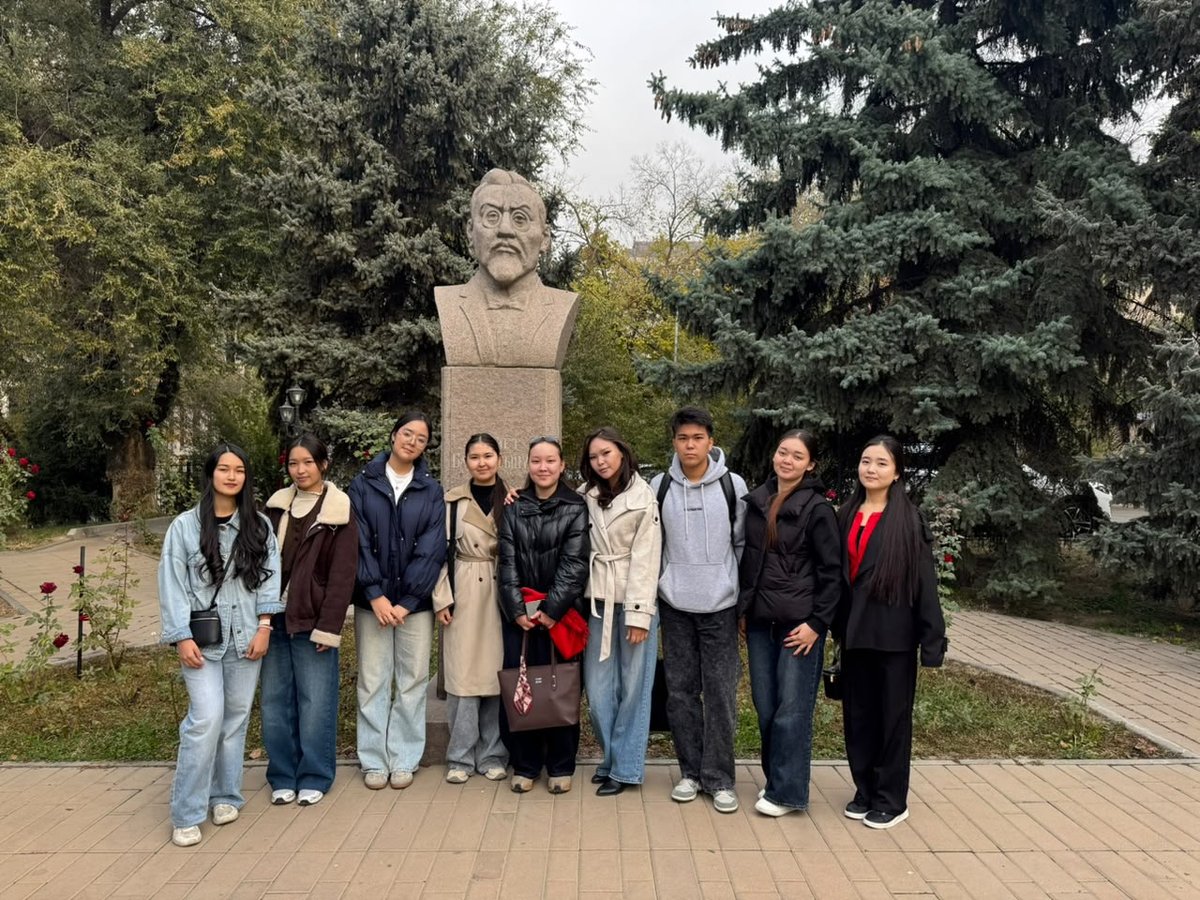
Students enrolled in the “6B05105 – Genetics” educational programme at the Faculty of Biology and Biotechnology of Al-Farabi Kazakh National University visited the Akhmet Baitursynuly House Museum in Almaty as part of their History of Kazakhstan course. The educational visit aimed to deepen students’ historical knowledge, introduce them to the life and intellectual legacy of this distinguished educator, and foster respect for national values.
Exploring the museum’s exhibition enabled students to understand Akhmet Baitursynuly’s life, educational work and public activities within their historical context. The memorial setting, which preserves his legacy, and the materials on display complemented classroom learning and provided deeper insight into the social conditions of his time.
Akhmet Baitursynuly was the founder of Kazakh linguistics, an educator, a literary scholar and a public figure who dedicated his life to advancing the interests of his nation. He reformed the Kazakh writing system and produced works designed to support literacy and education in the native language. His publications, Oqu quraly, Til-qural and Adebiet tanytqysh, made a significant contribution to the development of national education and scholarship. His educational mission centred on improving literacy, expanding access to education and nurturing a generation committed to the country’s future.
As a prominent representative of the Alash movement, Akhmet Baitursynuly contributed to the political and intellectual renewal of Kazakh society. Through the newspaper Qazaq, he addressed issues concerning education, language, public life and the interests of the people, helping to strengthen national consciousness. His legacy encourages young people to recognise that a country’s development is closely connected to education, informed civic engagement and responsibility towards society.
Extending history education into the museum setting has considerable educational and formative value. Museum materials connect historical events with concrete evidence, encouraging students to compare information, ask questions and develop independent interpretations. Such visits also help preserve historical memory, foster appreciation of cultural heritage and deepen understanding of the contributions made by significant figures in national history.
Engagement with historical and intellectual heritage is equally valuable for future specialists in genetics. Alongside professional knowledge, historical awareness, respect for one’s native language and civic responsibility provide a foundation for young people’s well-rounded development. Akhmet Baitursynuly’s commitment to education, intellectual inquiry and public service offers meaningful guidance to students pursuing careers in science.
In terms of its content and educational purpose, this activity aligns with United Nations Sustainable Development Goal 4, “Quality Education,” specifically Target 4.7. This target emphasises learners’ appreciation of cultural diversity, understanding of culture’s contribution to sustainable development and acquisition of the knowledge and values associated with global citizenship. In this context, the museum visit connects learning with cultural heritage while fostering students’ historical understanding and civic responsibility.
The visit to the Akhmet Baitursynuly House Museum provided a meaningful learning experience, enabling students to engage more closely with the legacy of the Teacher of the Nation and reflect on his contribution to the country’s future.
Aknur Koshymova, PhD, Senior Lecturer,
Department of History of Kazakhstan;
Zhuldyz Maratovna Bekbauova, Senior Lecturer,
Department of History of Kazakhstan.
Other news