100 Questions on the History of the Golden Horde
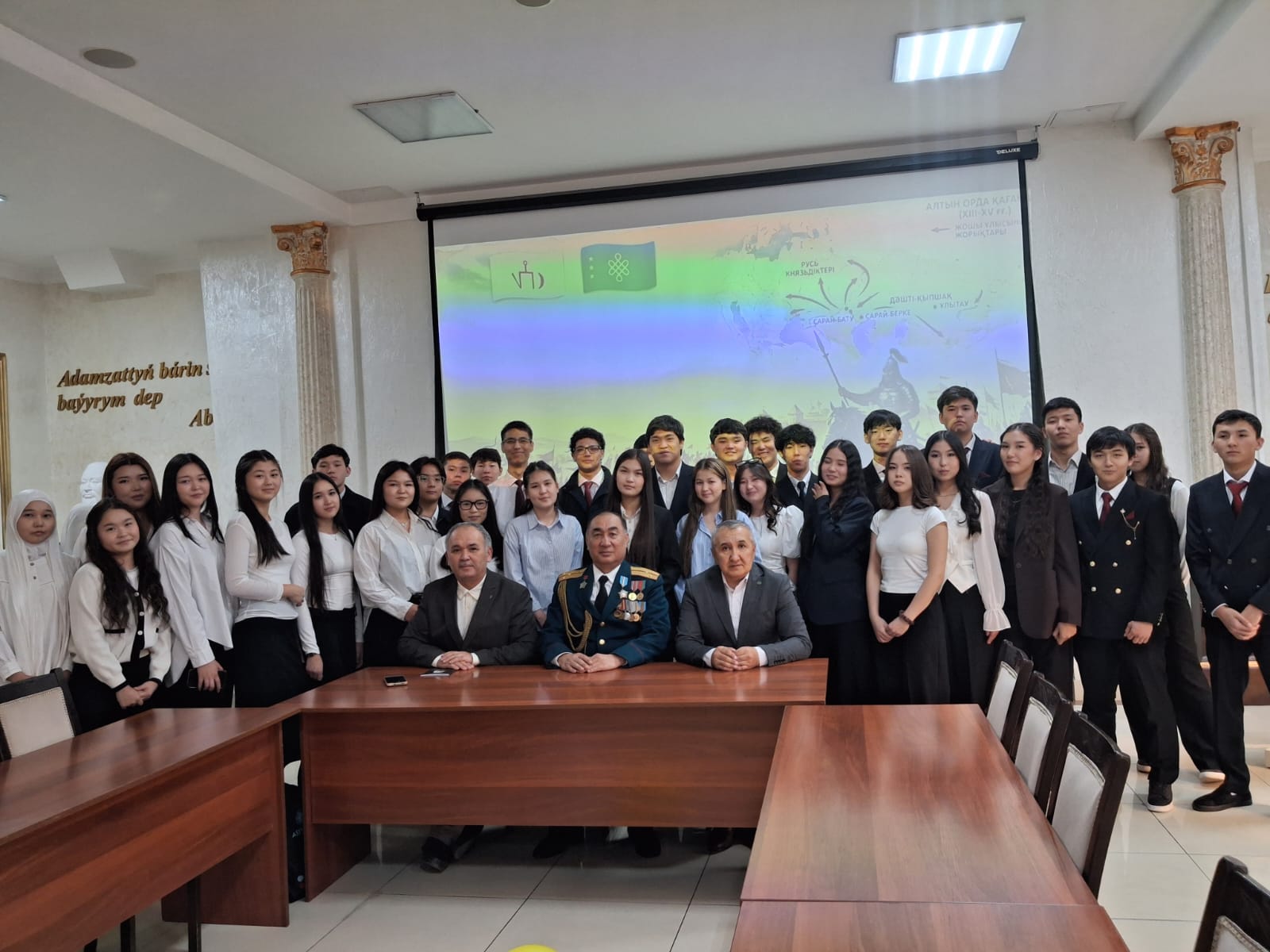
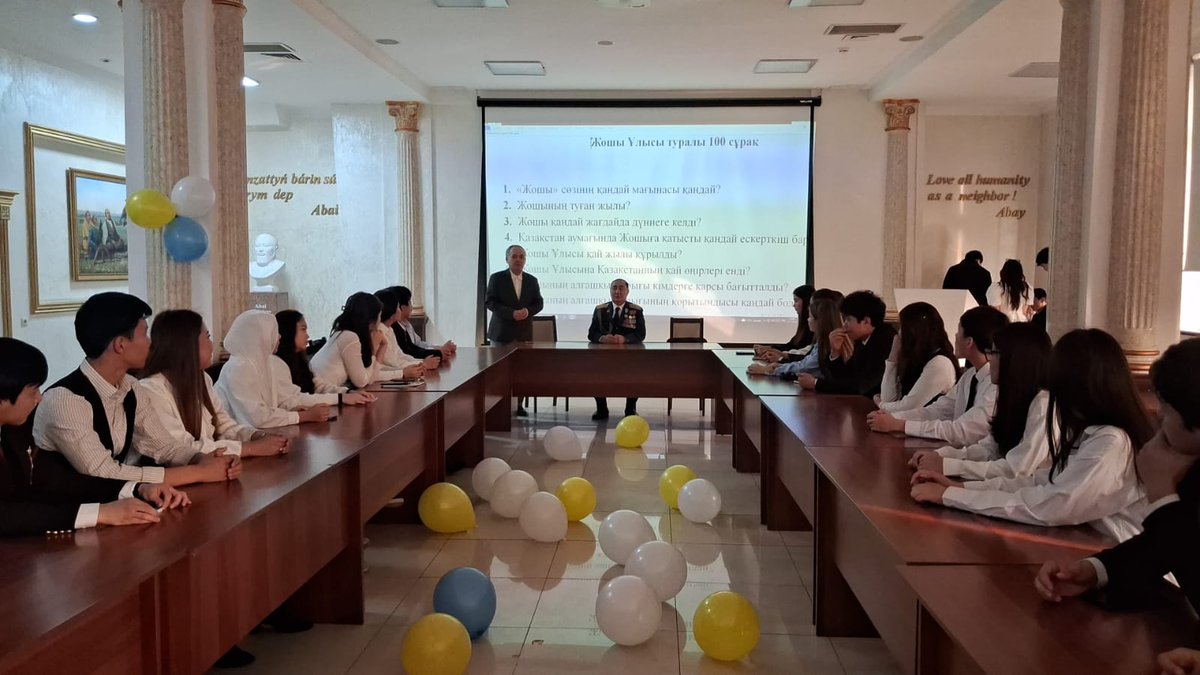
The international academic symposium “The Golden Horde — A Model of Steppe Civilization: History, Archaeology, Culture, and Identity,” held in Astana on May 19, 2026, with the participation of President Kassym-Jomart Tokayev, opened new horizons for scholarship in Kazakhstan. The discussion of the issues raised at the symposium continued on November 2, 2026, at an event held in the Abai Hall of the Al-Farabi Library at Al-Farabi Kazakh National University. The event brought together students from the Faculty of Geography enrolled in the “6B07304 — Cadastre” degree programme. The significance of the symposium and its key ideas were actively discussed as part of the intellectual project “100 Questions on the History of the Golden Horde.”
In his address, President Kassym-Jomart Tokayev highlighted the Golden Horde’s model of statehood, noting: “At its height, the Ulus of Jochi covered an area of more than six million square kilometres, while the rule of Jochi’s descendants lasted for more than six centuries. It had unified trade, taxation, and legal mechanisms.” These observations provide important guidance for future geographers, historians, lawyers, international relations specialists, and students in other fields as they explore the legal institutions and diplomatic connections of steppe civilization. The Golden Horde’s stability rested on a strong legal system and a combination of steppe, Islamic, and Turkic traditions.
For young historians and researchers at KazNU, one of the symposium’s most significant innovations was an interactive 3D map featuring more than 70 archaeological and architectural monuments. The university’s “100 Questions” student project pursues the goal emphasized by the President: uncovering historical truth through an academic and objective approach free from politicization.
The Golden Horde is a foundational pillar of our statehood. The international resolution adopted at the symposium and the President’s keynote address give KazNU students fresh motivation to deepen their understanding of their country’s history and strengthen their national identity. As future scholars and members of a generation that will help shape the country’s future, we consider it our sacred duty to promote this great heritage in the digital world.
Organizer: Zh. M. Arynov, Candidate of Historical Sciences.
Other news