- Main
- News
- Professor Markus Fuchs Delivers a Leadership Lecture on Contemporary Approaches to Sustainable Development and Ecosystem Restoration in the Context of Regenerative Tourism
Professor Markus Fuchs Delivers a Leadership Lecture on Contemporary Approaches to Sustainable Development and Ecosystem Restoration in the Context of Regenerative Tourism
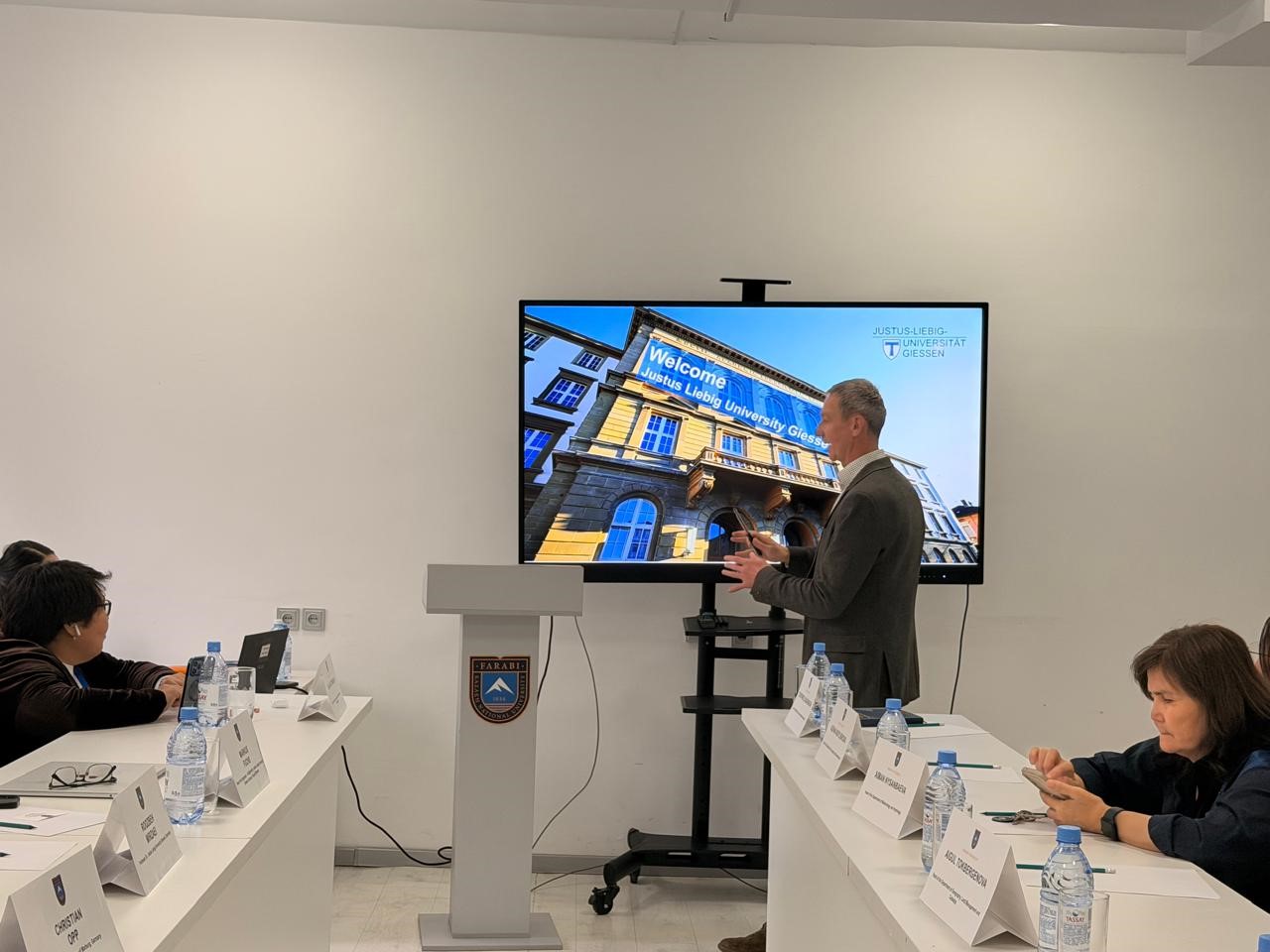
4 November 2026. Markus Fuchs, Head of an international project and Head of the Department of Geography at Justus Liebig University Giessen (Giessen, Germany), delivered a leadership lecture. During the lecture, the scholar presented contemporary scientific approaches to the development of regenerative tourism, highlighting its importance for the conservation of natural heritage, ecosystem restoration, and enhancing the resilience of tourist regions to climate change.
Particular attention was given to international scientific cooperation, the exchange of best practices, and the integration of environmental principles into educational programmes for training specialists in tourism and environmental protection. The issues addressed are directly related to the implementation of SDG 4, which promotes the development of environmental education and the formation of competencies in the field of sustainable development.
The lecture provided a platform for professional dialogue among international and Kazakhstani scientists, academic staff, and young researchers. Participants discussed prospects for joint research, opportunities for applying scientific developments at the regional level, as well as the role of universities in shaping contemporary educational and research approaches guided by the principles of sustainable and regenerative development. The discussion highlighted the importance of strengthening international partnerships within the framework of SDG 17.
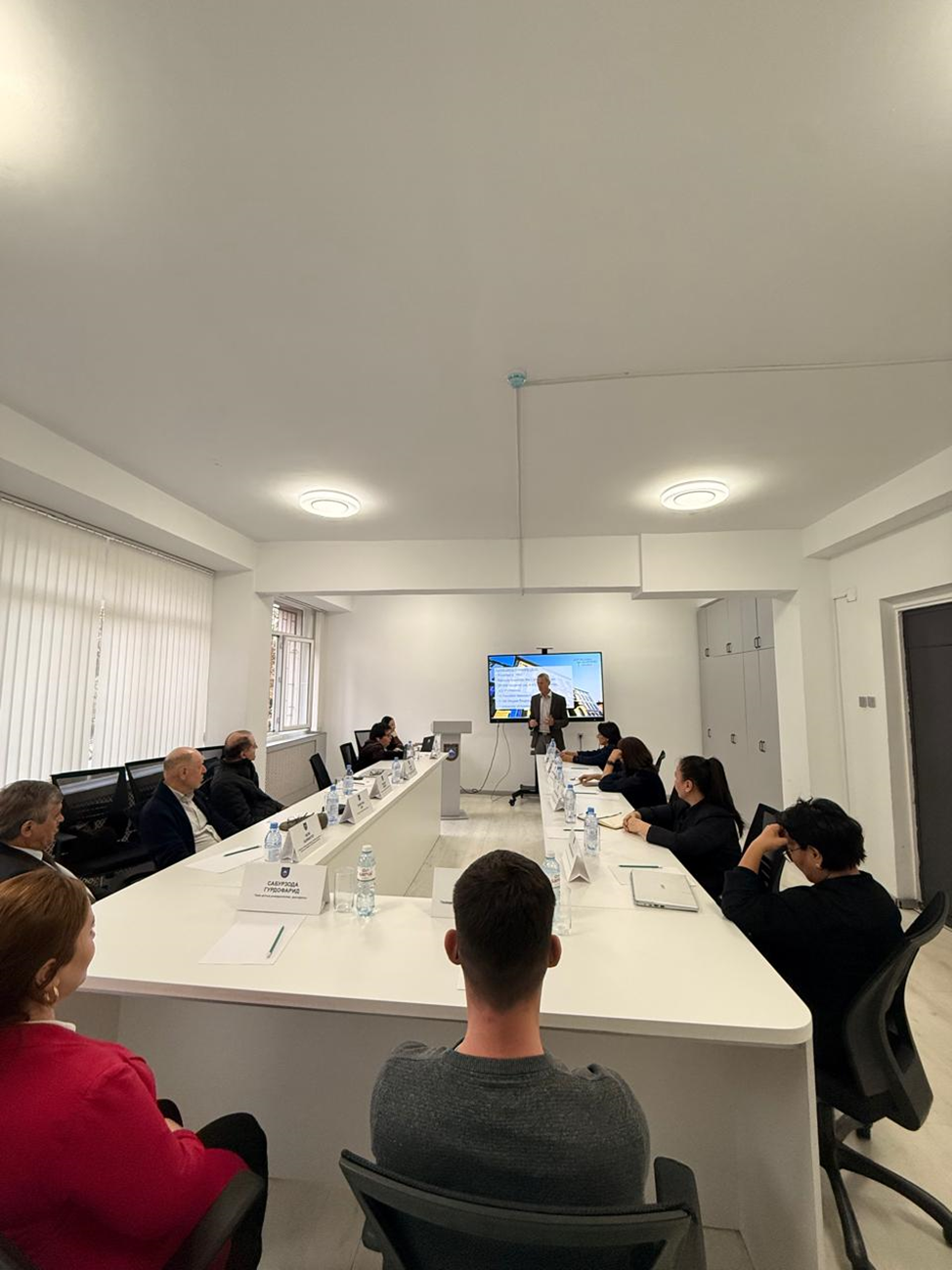
The subsequent discussions focused on biodiversity conservation, the protection of natural ecosystems, the study of the impacts of climate change, environmental safety, and the sustainable development of tourist areas. Particular attention was also given to the application of modern geoinformation technologies, the development of environmental education, and the establishment of regenerative tourism models aimed not only at reducing anthropogenic pressure but also at restoring the natural potential of territories.
The scientific approaches presented are consistent with the priorities of SDG 11 in terms of preserving the natural and cultural heritage of territories; SDG 13 in the context of enhancing the climate resilience of tourist regions; and SDG 15, which focuses on biodiversity conservation, the restoration of degraded ecosystems, and the rational use of natural resources.
Thus, the leadership lecture contributed to promoting the principles of sustainable development, strengthening international scientific and educational cooperation, and advancing scientific approaches to the conservation of natural heritage and ecosystem restoration.
Other news