“An Honest Generation, a Bright Future”: Students Take Part in an Anti-Corruption Survey
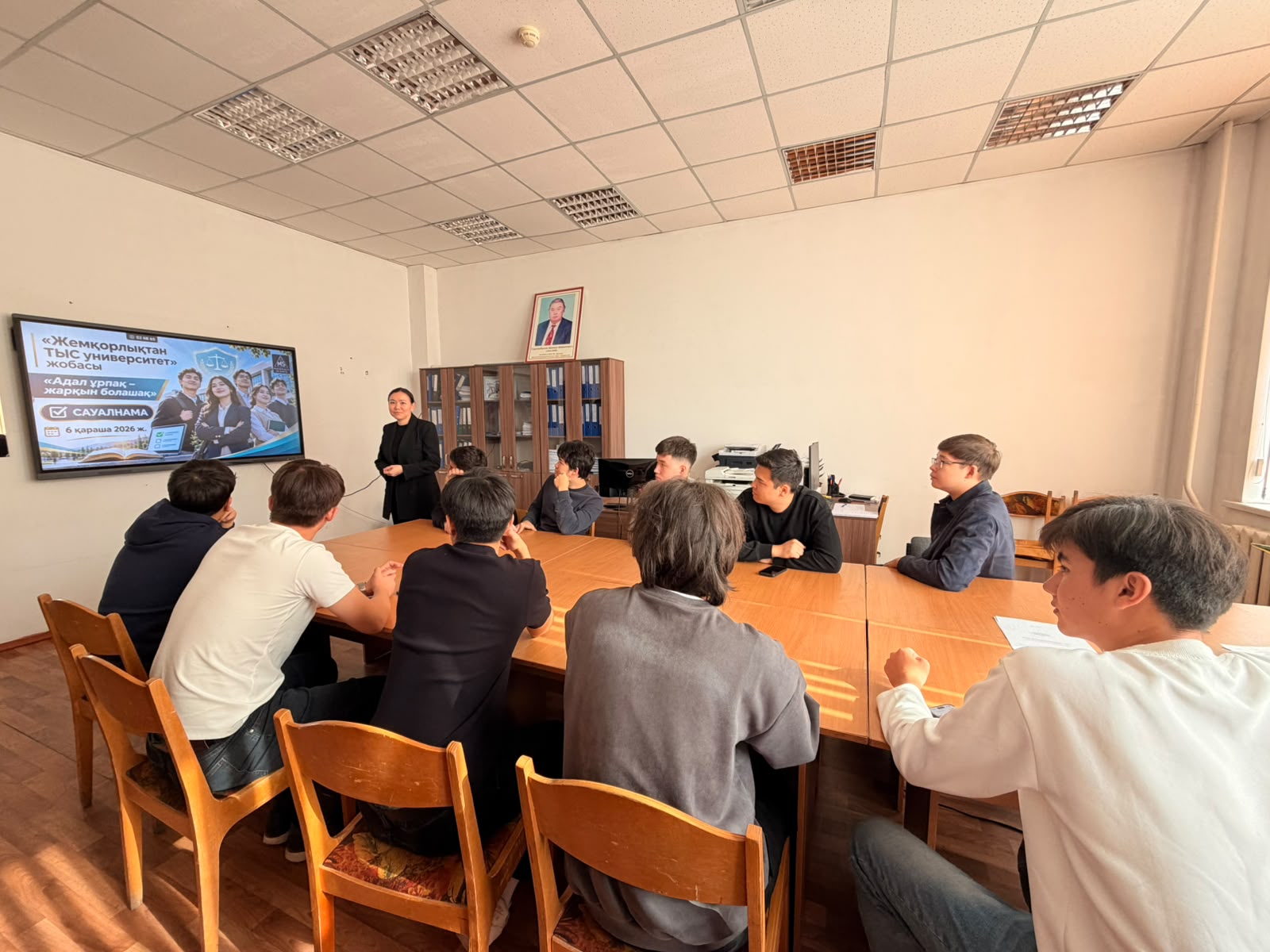
On 4 November 2026, students took part in a survey titled “An Honest Generation, a Bright Future” as part of the “Corruption-Free University” project. The survey asked students about different forms of corruption, their consequences for society and the education system, and how academic integrity applies to everyday student life.
The survey aimed to improve students’ legal literacy and foster a culture that rejects corruption. The questions connected the general principle of fairness with situations students might encounter during their studies. Participants shared their views on why common rules matter, what personal responsibility means in practice, and why academic performance should be assessed fairly.
The questionnaire covered common forms of corruption, their effect on trust in educational institutions, and ways to prevent bribery. In education, grades should reflect what students know and the quality of the work they submit. Giving one student an unfair advantage undermines equal treatment and devalues the work of students who follow the rules. Clear assessment criteria and assignment requirements therefore matter to everyone in a class.
The discussion also focused on academic integrity. It covered following exam rules, completing assignments independently, respecting the work of others, and reporting academic results accurately. In practice, respecting authorship means citing sources when using someone else’s ideas, writing, or data. The same principle applies in the laboratory, where students should record what they actually measure, even when the results differ from what they expected. Accurate records allow the work to be assessed fairly and help students investigate why the results differed.
Participants were reminded of the importance of knowing their rights and responsibilities, complying with the law, and taking possible violations seriously. Understanding established procedures can help students navigate a dispute. For example, a student who has questions about a grade can ask how it was determined and, where appropriate, use the formal review process. Knowing these options helps students exercise their rights and discuss their academic performance on the basis of evidence.
The event also highlighted how the consequences of corruption extend beyond any individual incident. When rules are breached and decisions are made unfairly, confidence in academic results and the assessment process declines. This matters to universities because grades and qualifications should reflect the knowledge and skills graduates have actually acquired. In this sense, academic integrity is closely linked to students’ future professional responsibilities.
The survey gave students a chance to form and express their own views on issues that affect them directly. As they answered questions about fairness and responsibility, they could relate those principles to their own experiences of preparing for exams, completing assignments, and working with sources.
The “An Honest Generation, a Bright Future” survey used familiar examples to explore what it means to act fairly and responsibly at university. The choices students make in their daily work help shape a university community where shared rules are followed, others’ work is respected, and academic results can be trusted.
Other news