- Main
- Science
- TWO-DAY WORKSHOP ON COMMUNITY-BASED PARTICIPATORY RESEARCH CONCLUDES AT AL-FARABI KAZAKH NATIONAL UNIVERSITY
TWO-DAY WORKSHOP ON COMMUNITY-BASED PARTICIPATORY RESEARCH CONCLUDES AT AL-FARABI KAZAKH NATIONAL UNIVERSITY
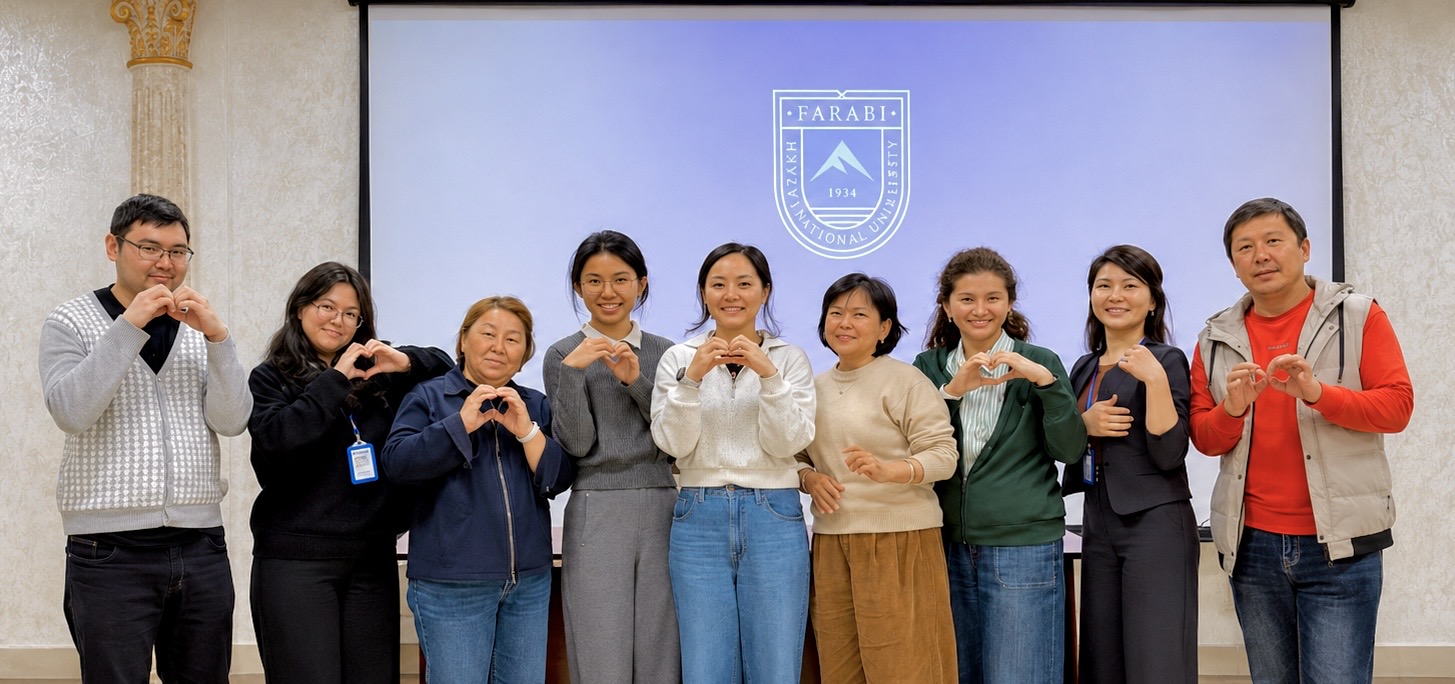
On November 11, 2026, a two-day workshop on Community-Based Participatory Research (CBPR) concluded at Al-Farabi Kazakh National University. The second day focused on creative research methods, the collaborative development of data collection procedures, and the preparation of subsequent research activities. The workshop provided an opportunity for co-creators to strengthen their methodological knowledge and explore practical approaches to community engagement in social research.
The workshop was conducted through academic collaboration between the Department of Sociology and Social Work, Faculty of Philosophy and Political Science, Al-Farabi Kazakh National University, and the Department of Applied Social Sciences (APSS), The Hong Kong Polytechnic University (PolyU).
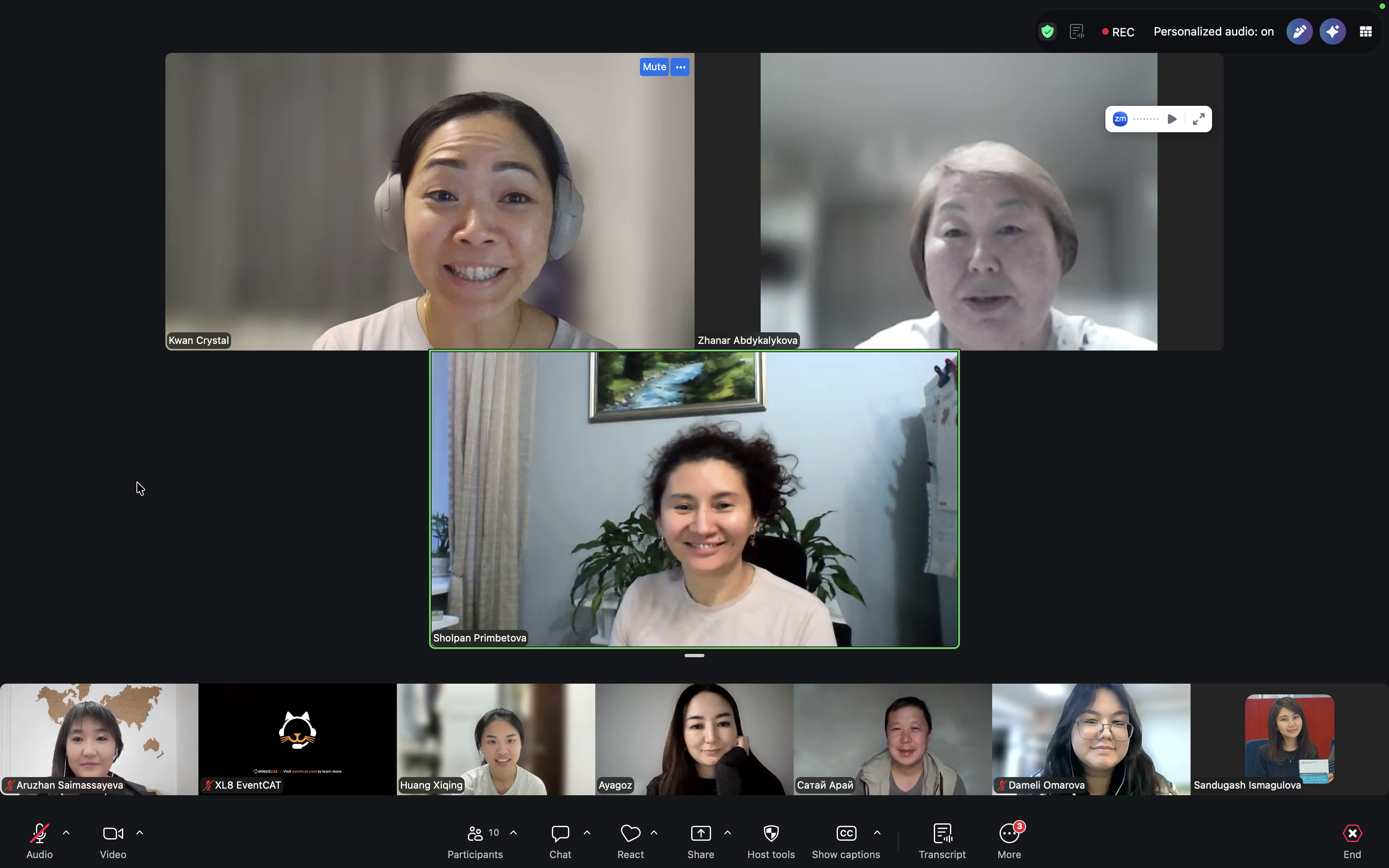
Under the guidance of Professor Crystal Kwan, the co-creators continued exploring the principles and practical application of CBPR. This research approach emphasizes collaboration between academic researchers and community members, shared decision-making, and the recognition of community knowledge and lived experience as essential components of the research process.
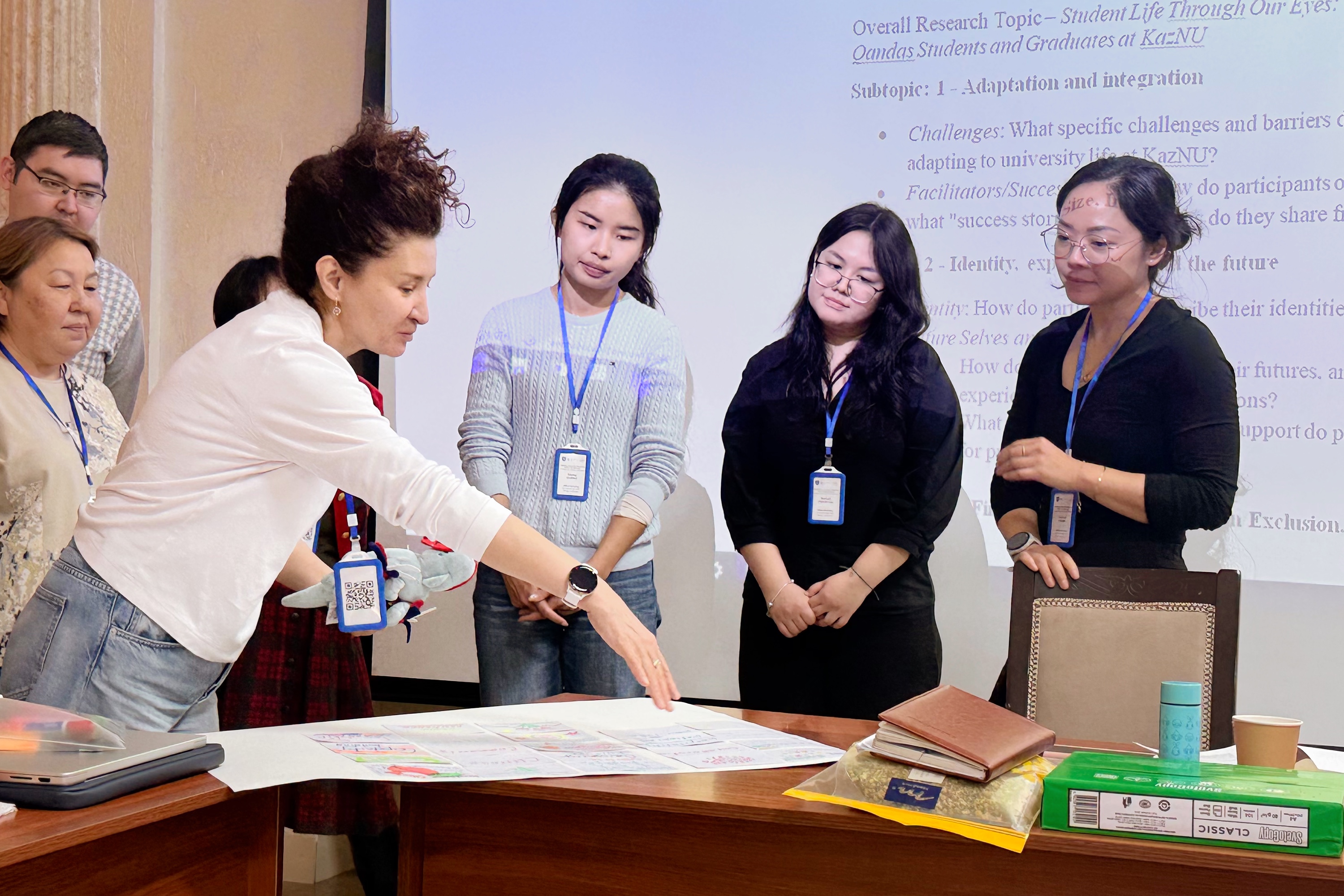
A central focus of the second day was the collage method as a creative approach to qualitative data collection within the CBPR framework. The co-creators explored how photographs, images, and other visual materials can help individuals communicate experiences, perspectives, and ideas that may be difficult to express through conventional verbal methods. Collage offers opportunities for creative expression and encourages reflection on the meanings individuals associate with their experiences and social environments.
During the practical sessions, the co-creators examined the development of a collage-based data collection protocol. The discussions covered the organization of creative activities, the selection of suitable materials, the formulation of guiding questions, and approaches to facilitating conversations around visual compositions. Particular attention was given to ensuring that the proposed procedures are accessible, flexible, and responsive to different ways of communicating personal experiences.
An important component of the workshop involved examining the roles and responsibilities of co-creators throughout the research process. The discussions addressed their potential contributions to preparing research activities, facilitating data collection, reviewing methodological materials, and interpreting research findings. This collaborative model reflects the principles of CBPR by encouraging shared ownership of the research process and recognizing the value of different perspectives in generating knowledge.
The second day also provided an opportunity to consider the organizational aspects of upcoming research activities. The co-creators discussed approaches to coordinating data collection, clarifying responsibilities, and maintaining effective communication within the research team. These considerations are particularly important for community-based research, where collaboration requires ongoing dialogue, mutual understanding, and flexibility.
Research ethics remained an essential element of the discussions. Particular attention was given to informed consent, confidentiality, the responsible handling of visual materials, and respect for individual autonomy. The co-creators considered how ethical principles can be incorporated into creative data collection procedures to support a respectful research environment and protect the interests of those sharing their experiences.
The concluding sessions focused on the next stages of the collaborative research process. The co-creators discussed future research activities, methodological coordination, and opportunities for continued consultation. The workshop’s interactive format encouraged constructive dialogue and helped establish a shared understanding of the practical considerations involved in implementing CBPR approaches.
The completion of the workshop represents another step in strengthening academic cooperation between Al-Farabi Kazakh National University and The Hong Kong Polytechnic University. Professor Gulmira Abdiraiymova, Doctor of Sociological Sciences and Head of the Department of Sociology and Social Work at the Faculty of Philosophy and Political Science, Al-Farabi KazNU, plays an important role in developing this partnership and supporting international research collaboration.
The two-day workshop contributed to the exchange of methodological expertise, the development of practical research skills, and a deeper understanding of community-based approaches to social research. The collaborative discussions and activities established a foundation for the next stages of the project and further opportunities for international academic cooperation.
Other news