KazNU contributes to the development of legal Science
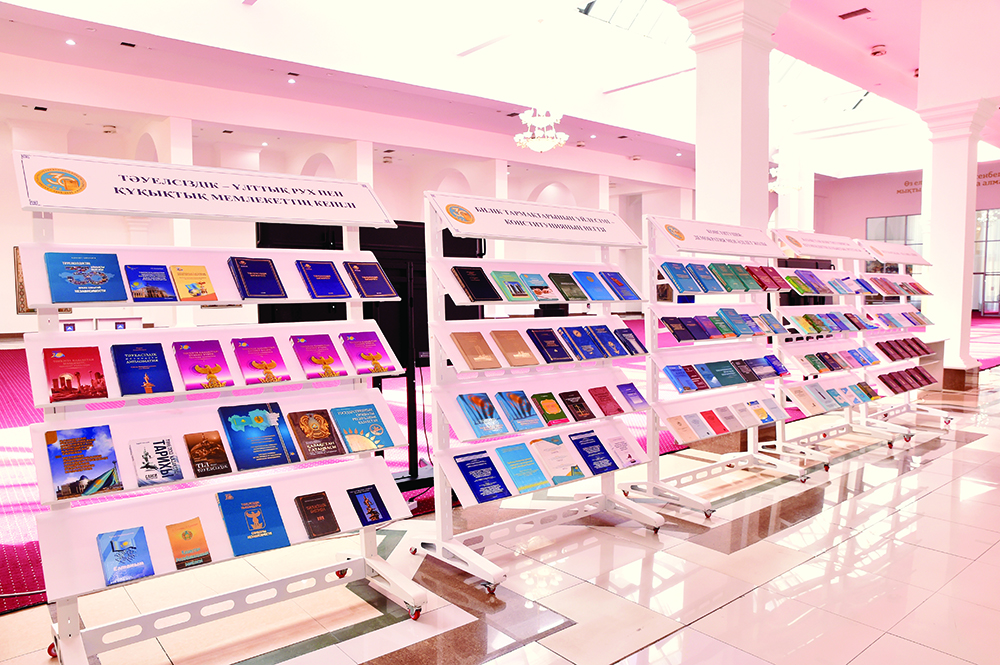
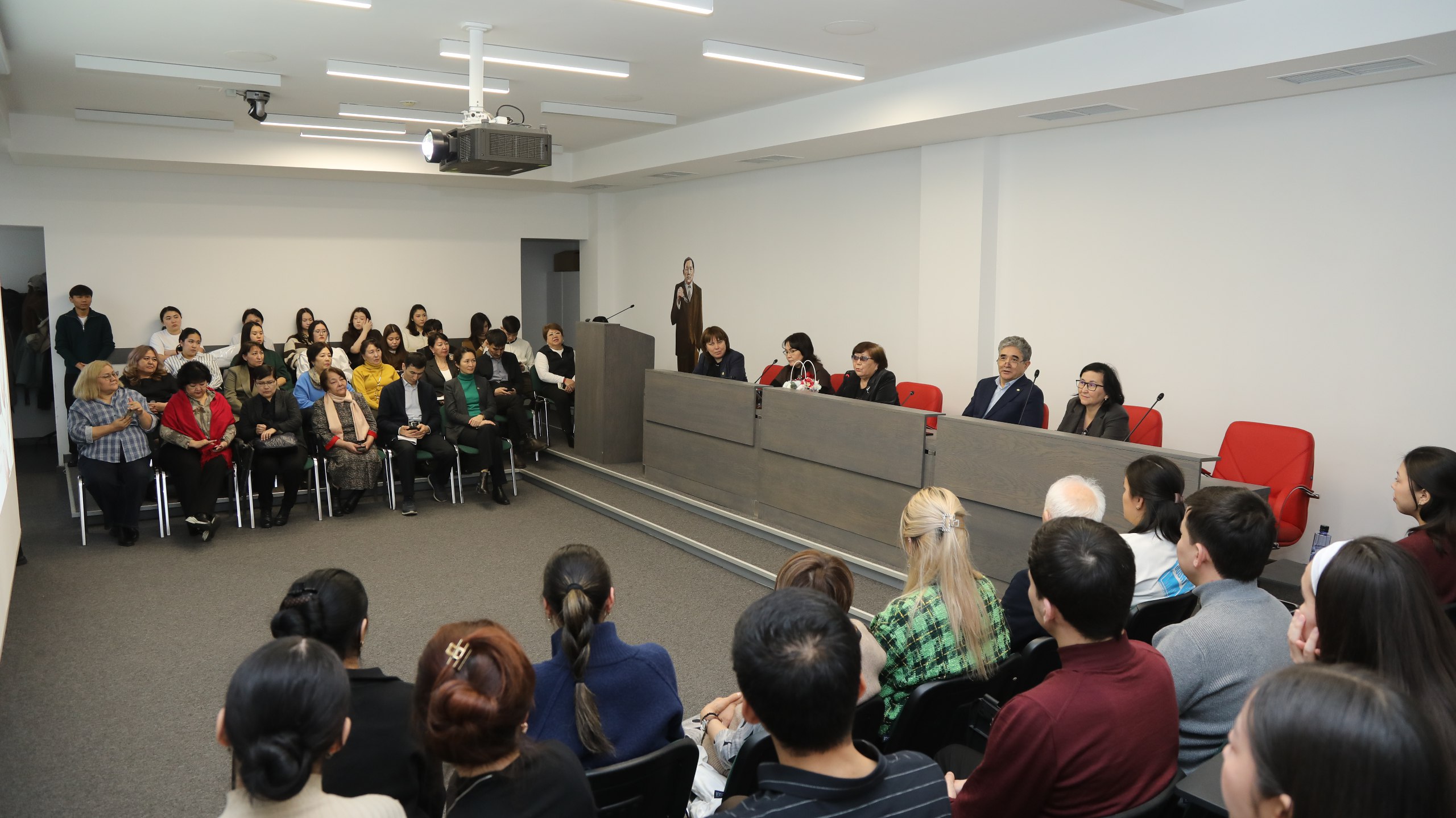
The purpose of the event is to summarize the 30 – year development of the Constitution of the Republic of Kazakhstan as the Basic Law of an independent state. The conference was attended by leading domestic and foreign legal scholars, representatives of government agencies and international organizations, teachers, as well as doctoral students and undergraduates of the Faculty of law.
Chairman of the board-Rector of Al-Farabi Kazakh National University Zhanseit Tuimebayev sent his congratulations to the participants.
"The strategic role of the Basic Law in ensuring the stability and sustainable development of an independent country is special. The ideas included in the Constitution have a legitimate continuation in the concept of "a strong president – an influential parliament – an accountable government", defined by the head of state. Al-Farabi Kazakh National University plays a special role in the implementation of the ideas of the Constitution", - the congratulation reads.
At the plenary session, a congratulatory letter from the chairman of the Board of Directors of Al-Farabi kaznu, doctor of law, professor Kairat Mami was read. "At the moment, fundamental changes are taking place around the world. Ensuring and protecting human rights, the system of public relations and the entire system of the state came to the fore. The Constitution is the basis for building a system of sustainable development of Kazakhstan and protecting human and civil rights," Kairat Mami said.
The conference participants noted the special contribution of kaznu to the development of legal Science in the country and the training of highly qualified lawyers. Such prominent scientists-constitutionalists as tax Zimanov, Murat Baimakhanov, Sultan Sartayev worked in this educational institution. Their ideas of the rule of law, the priority of human rights, equality before the law and the court, strengthening national statehood were reflected in the 1995 Constitution.
During the meeting, informative reports of experts were heard.
Further, the participants analyzed the role of the Constitution in the formation of the rule of law, democratic institutions and civil society, discussed modern challenges and further goals for the development of the constitutional order in the context of globalization and sustainable development.
Gul BAYANDINA