KazNU scientists develop a new technology for recycling used motor oils

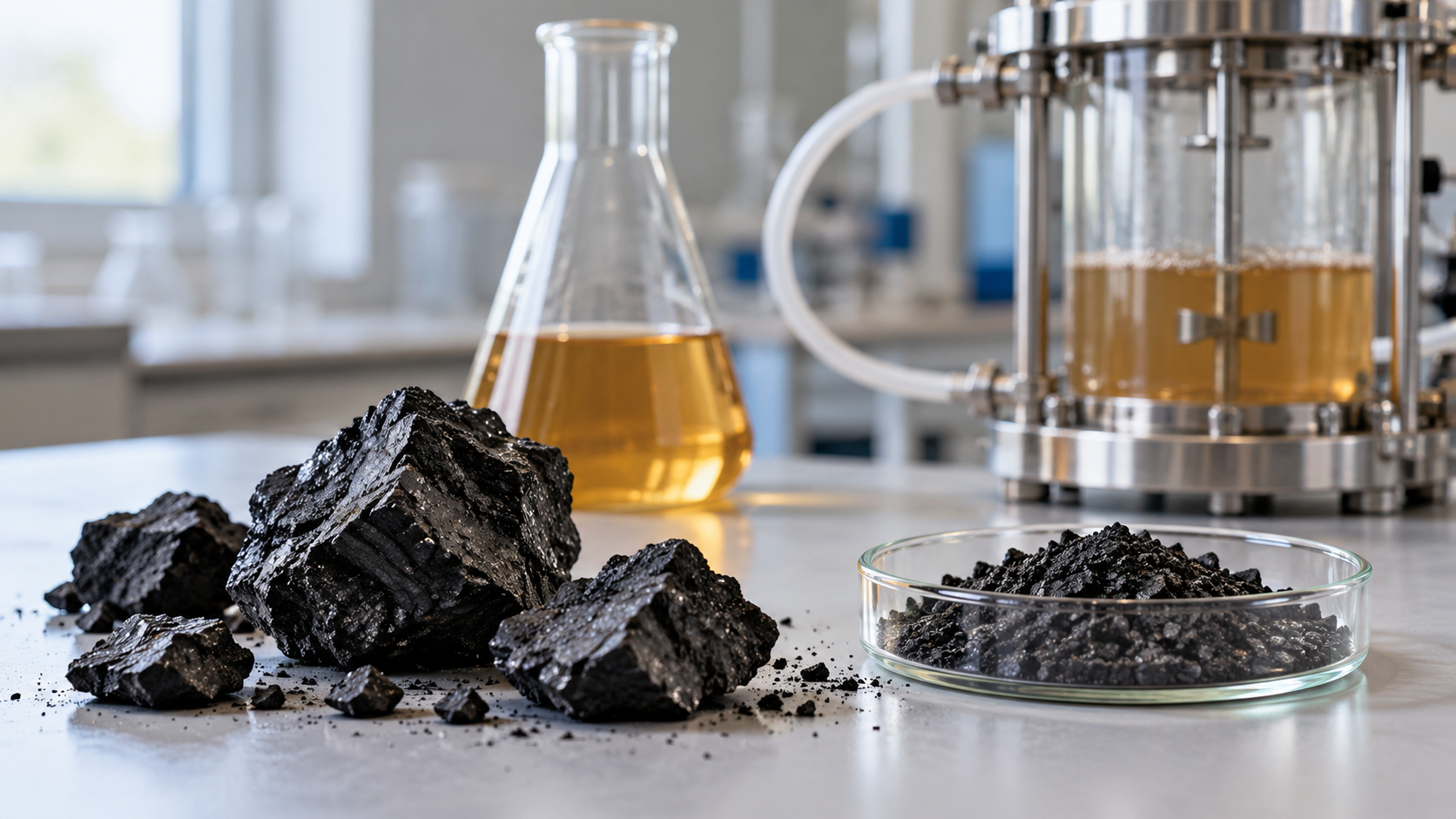
Researchers from the Research Institute of New Chemical Technologies and Materials and the Department of Physical Chemistry, Catalysis and Petrochemistry at Al-Farabi Kazakh National University are developing a resource-saving, environmentally efficient technology for producing high-quality motor fuels and other valuable organic compounds through the hydrocracking of used motor oils under hydrogen pressure.
The relevance of the study stems from a global problem: approximately 40–60 million tons of used motor oil are generated worldwide every year, yet only about 40% of it is recycled, with the rest burned in heat-generating furnaces, polluting the environment. Under the Stockholm Convention, these oils are classified among the planet's most hazardous pollutants. In Kazakhstan, the regeneration of used oils has not been widely adopted: the process involves at least six stages, requires additional funding, and does not allow the oil's original properties to be fully restored.
The key feature of the project is the use, as catalysts, of transformed materials based on ore-processing waste from metallurgical industries (including red mud, a waste product from bauxite ore processing at the Pavlodar Aluminum Plant) and natural zeolites. This approach is being systematically studied for the first time both worldwide and in Kazakhstan. According to the researchers' preliminary findings, the combined yield of gasoline and diesel fuel from hydrocracking in the presence of bauxite ore waste exceeds 77%, while the hydrogen pressure and process temperature are 2–2.5 times lower than in known foreign methods.
As part of the project, the researchers are studying the structural and surface properties of the catalysts using modern physicochemical methods (IR spectroscopy, electron microscopy, X-ray spectral and X-ray phase analysis), determining the optimal conditions for the hydrocracking process (hydrogen pressure, temperature, oil-to-catalyst ratio, process duration), and analyzing the hydrocarbon composition of the resulting liquid distillates as well as the key physicochemical parameters of the fuel fractions (octane and cetane numbers, sulfur content, viscosity, density, etc.) using chromatography-mass spectrometry and gas-liquid chromatography.
The study is expected to result in a laboratory-scale technological protocol for converting used motor oils into gasoline, kerosene, diesel fuel and other organic compounds (liquid paraffins, isoparaffins, naphthenes, aromatic hydrocarbons) with a yield of over 90%. The project runs for three years, from 2025 to 2027, and is being carried out under the priority research area "Ecology, Environment and Rational Nature Management."
The project's key distinction from existing analogues is that the proposed method achieves a selectivity of around 92% for liquid products (gasoline, kerosene, diesel fuel), whereas foreign methods typically yield mainly diesel fuel. Basing the technology on domestic raw materials and industrial waste makes it environmentally and economically competitive.
The project's results are expected not only to help solve the waste-disposal problem in the transport and metallurgical industries, but also to supply the country's fuel and energy market with high-quality motor fuels and valuable petrochemical reagents based on a new domestic technology, while significantly reducing the economic costs of oil extraction and processing. The laboratory protocol being developed will also be used in undergraduate, master's and PhD projects at the Faculty of Chemistry and Chemical Technology of Al-Farabi Kazakh National University.
Other news