The Historical Geography of the Golden Horde in Arabic Sources
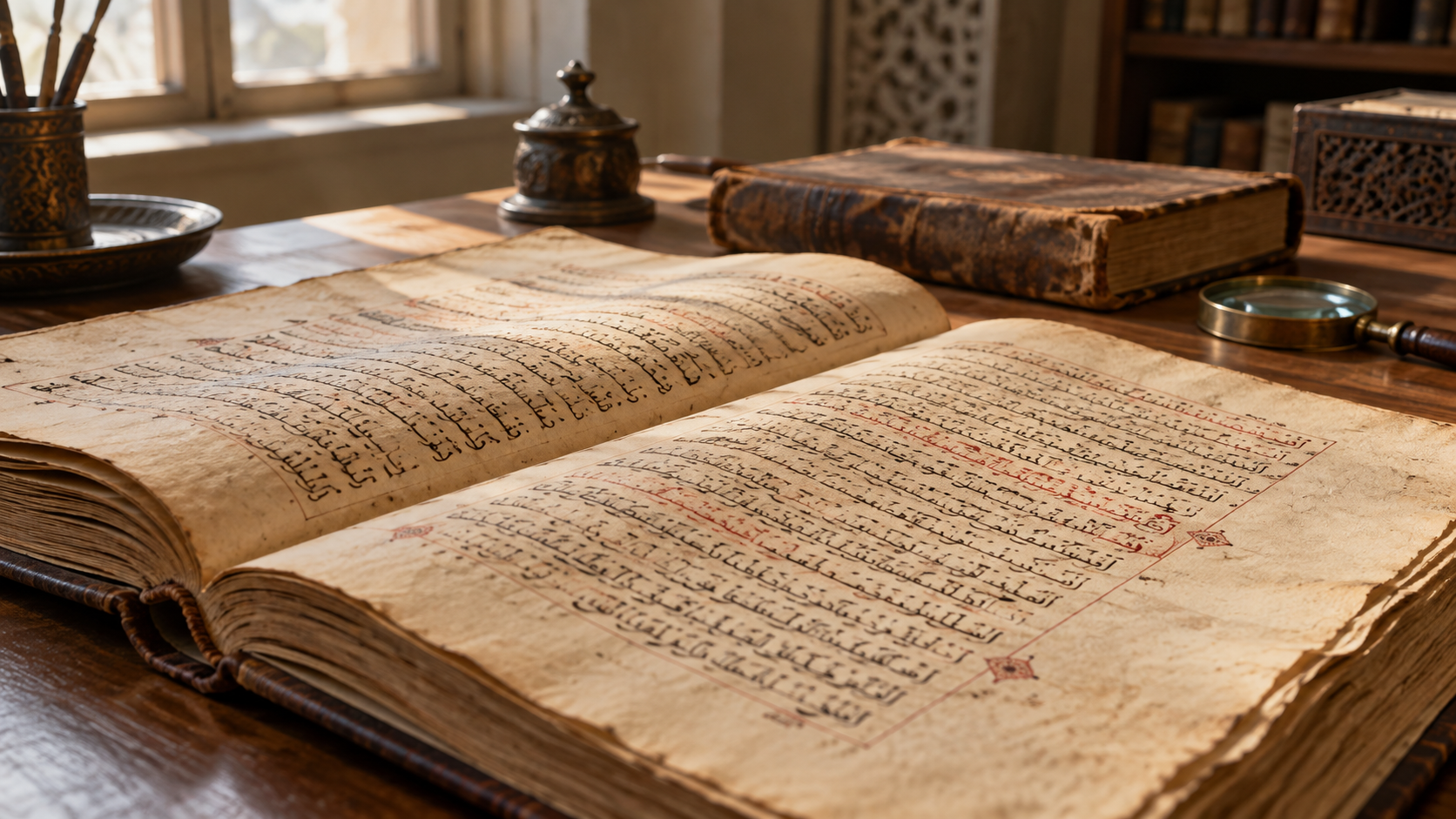
Researchers at Al-Farabi Kazakh National University aim to translate Arabic sources on the historical geography of the Golden Horde into Kazakh and examine their contents. The study covers accounts of towns and settlements, their locations and names. Its principal focus is al-Qalqashandi’s Subh al-Asha fi Sinaat al-Insha. Comparing its accounts with other historical sources is intended to expand the materials available for studying Kazakhstan’s medieval history.
Arabic written records concerning the Golden Horde are valuable to historians and scholars of Oriental studies. They preserve information about regional geography, economic activities, everyday life, and political and cultural relations. The researchers seek to collect these accounts, compare them and present them in Kazakh with historical commentary. Particular attention will be given to understudied texts that could expand the sources available to scholars in Kazakhstan.
Al-Qalqashandi, who served as a state secretary in Cairo, included historical and geographical information about Khwarazm and Dasht-i Qipchaq in his work. These accounts appear in the section “Routes and States.” The fourth section discusses correspondence between Egyptian sultans and Golden Horde khans. The material allows geographical descriptions to be examined alongside the political and diplomatic relations of the period.
Both a town’s name and its location matter to historical geography. Written accounts of settlements help explain their relationships with surrounding regions. Comparing descriptions of the same town in different works reveals similarities and differences between accounts. This approach supports a broader examination of medieval towns and villages relevant to Kazakhstan’s history and connects their descriptions with other historical material.
Translation will pay particular attention to the meanings and origins of geographical names. Understanding an account requires consideration of its language and the period in which it was written. Historical commentary is therefore intended to accompany translated passages. It will explain descriptions of settlements and regions, making it possible to read the Arabic accounts in Kazakh and understand them in their historical context.
Information preserved in medieval works has its own history. Later writers consulted earlier texts, so one account could appear in several works. Geographical descriptions may also sit alongside legendary narratives. Assessing individual accounts requires establishing when they appeared and which sources informed them. Comparing repeated passages helps identify relationships between works, establish the chronology of their information and assess its historical value.
The researchers will examine the circumstances in which the principal text was composed and how its information was assembled. Accounts of the Golden Horde will be compared with other historical and geographical works. Reading texts alongside one another and arranging information chronologically will help clarify their contents and relationships. Historical comparison and textual analysis underpin this work, with each account considered in its relevant historical setting.
Written evidence will also be compared with archaeological and oral sources. Supplementing descriptions of towns and villages with these materials supports examination of their history from different perspectives. Particular attention is given to relationships between nomadic and settled regions. Bringing history, Oriental studies and historical geography together allows information of different origins to be examined within a shared historical context.
The search for materials will cover rare book and manuscript holdings in Kazakhstan and abroad. Work in Kazakhstan is planned in national libraries in Almaty and Astana and the rare book collection of “Gylym Ordasy.” Scholarly literature, published articles and conference proceedings will also be examined. Museum objects and maps will provide additional material. Required manuscripts are to be copied, and the collected sources classified by subject and content.
Research in foreign library collections is planned in Istanbul, Kazan and Cairo. The Suleymaniye and Bayezid libraries and university collections in Istanbul are intended destinations for studying Arabic manuscripts concerning Kazakhstan’s history. In Kazan, attention will focus on scholarly literature and rare holdings about the Golden Horde. Work in Cairo and Alexandria libraries will concern copies of the principal text. Specialist consultations will support analysis of the material and clarification of research questions.
The collected accounts will be examined alongside previous scholarship. The researchers intend to review published studies of the Golden Horde and compare their conclusions with information in Arabic texts. Material identified in manuscripts will be selected, translated and provided with historical explanations. This work will also examine connections between passages in the principal text and other sources. Findings are to be presented progressively in scholarly articles.
The main results are intended for a scholarly monograph containing translated passages about the Golden Horde, historical commentary and additional research material. At least five articles or reviews are also planned. These publications will introduce the Arabic accounts to a wider scholarly readership. Translation into Kazakh will make the contents of the medieval written heritage accessible to readers who do not work directly with the original language.
Historians, Oriental studies specialists, museum and library staff, lecturers and early-career researchers will be able to use the materials. Translations and historical commentary could supplement courses on Golden Horde history, source criticism and historiography. Organizing and explaining accounts of towns and regions will expand the body of historical sources available in Kazakh and support further research into Kazakhstan’s medieval past.
Other news