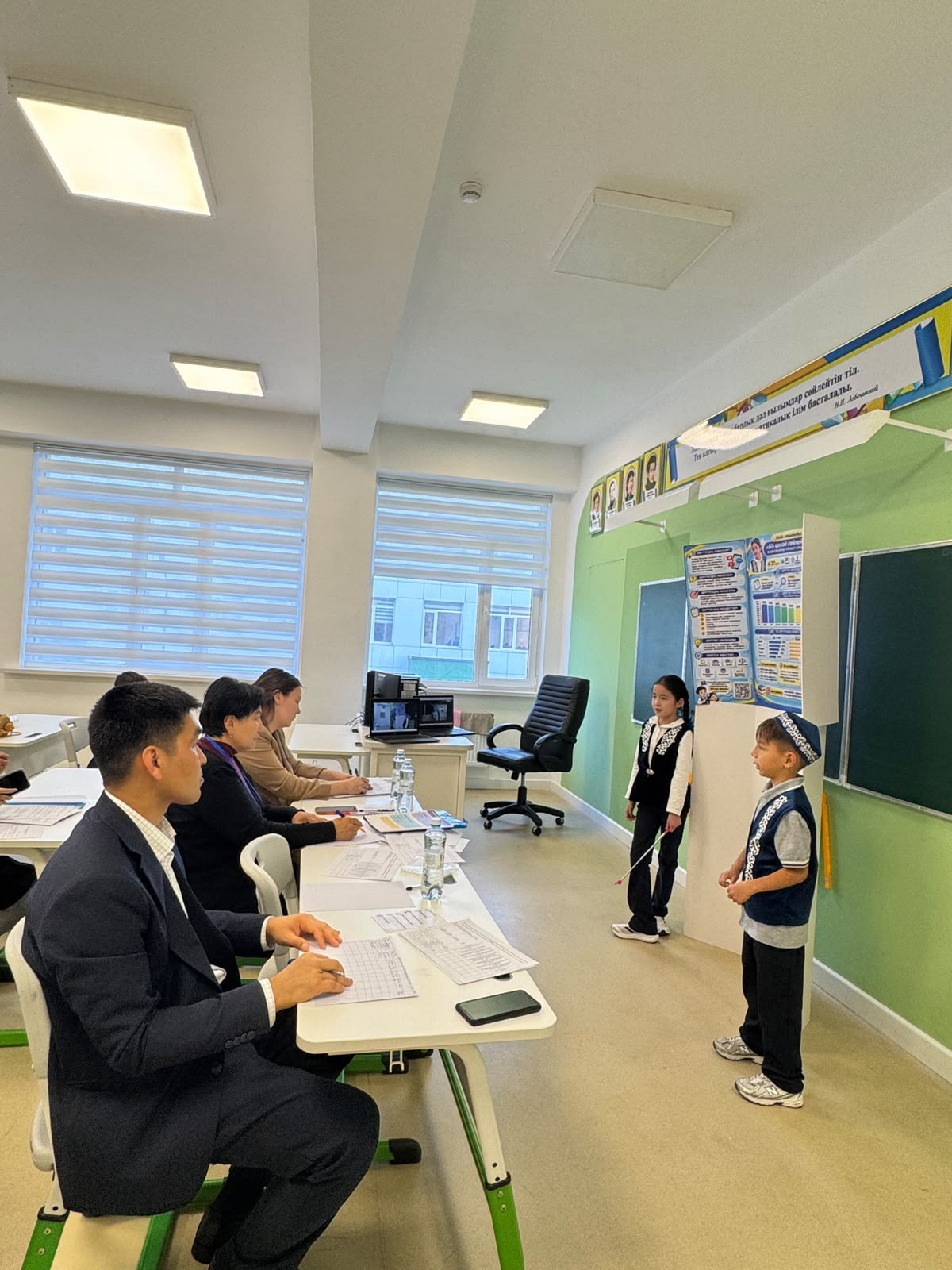
“Multilingualism is the Foundation of Modern Education”
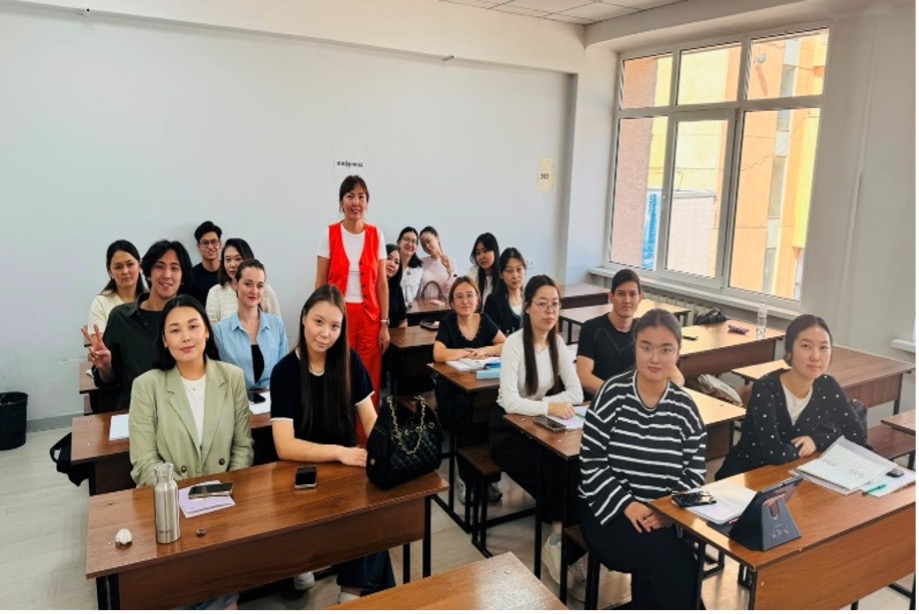
On September 9, 2026, fourth-year students majoring in “6B02303 - Foreign Philology (western languages)” of the Department of Foreign Philology and Translations Studies of the Philological Faculty of Al-Farabi Kazakh National University participated in an open lesson on the topic “Multilingualism is the Foundation of Modern Education.” The lesson was conducted in the format of a round table discussion and academic debate within the framework of the Sustainable Development Goals (SDGs), with particular focus on SDG 4 “Quality Education,” SDG 10 “Reduced Inequalities,” and SDG 16 “Peace, Justice and Strong Institutions.”
The lesson aimed to develop students’ advanced English communication, critical thinking, argumentation, and analytical skills through discussion of the role of multilingualism in modern education and society. Students explored the importance of linguistic diversity, intercultural communication, equal access to education, and the role of languages in academic and professional development. They also discussed whether multilingualism is a necessity for meaningful participation in modern education or increasingly optional due to technological development and AI-powered translation.
The central part of the lesson was a Round Table Debate, during which students worked in groups representing different perspectives on globalisation and international education, language and cultural identity, technology and artificial intelligence, and educational equity. Students presented arguments, challenged opposing viewpoints, responded to counterarguments, and discussed controversial issues such as the growing role of English in higher education, the preservation of national languages, and the impact of AI on language learning. In the final task, “University 2035,”students developed and justified language policies for a future international university.
The lesson concluded with a final discussion and reflection on the statement “In the 21st century, being multilingual is no longer an advantage. It is a necessity.” The open lesson demonstrated active student participation and contributed to the development of fluency, academic vocabulary, critical thinking, constructive dialogue, and professional communication skills. It also broadened students’ understanding of multilingualism as an important educational, social, and cultural issue and highlighted its relevance to the Sustainable Development Goals and the future of education.
Department of foreign philology and translation studies
Assistant Professor Kenzhekanova K.K.
Other news