Modern Teaching: From Knowledge Transmission to Active Learning
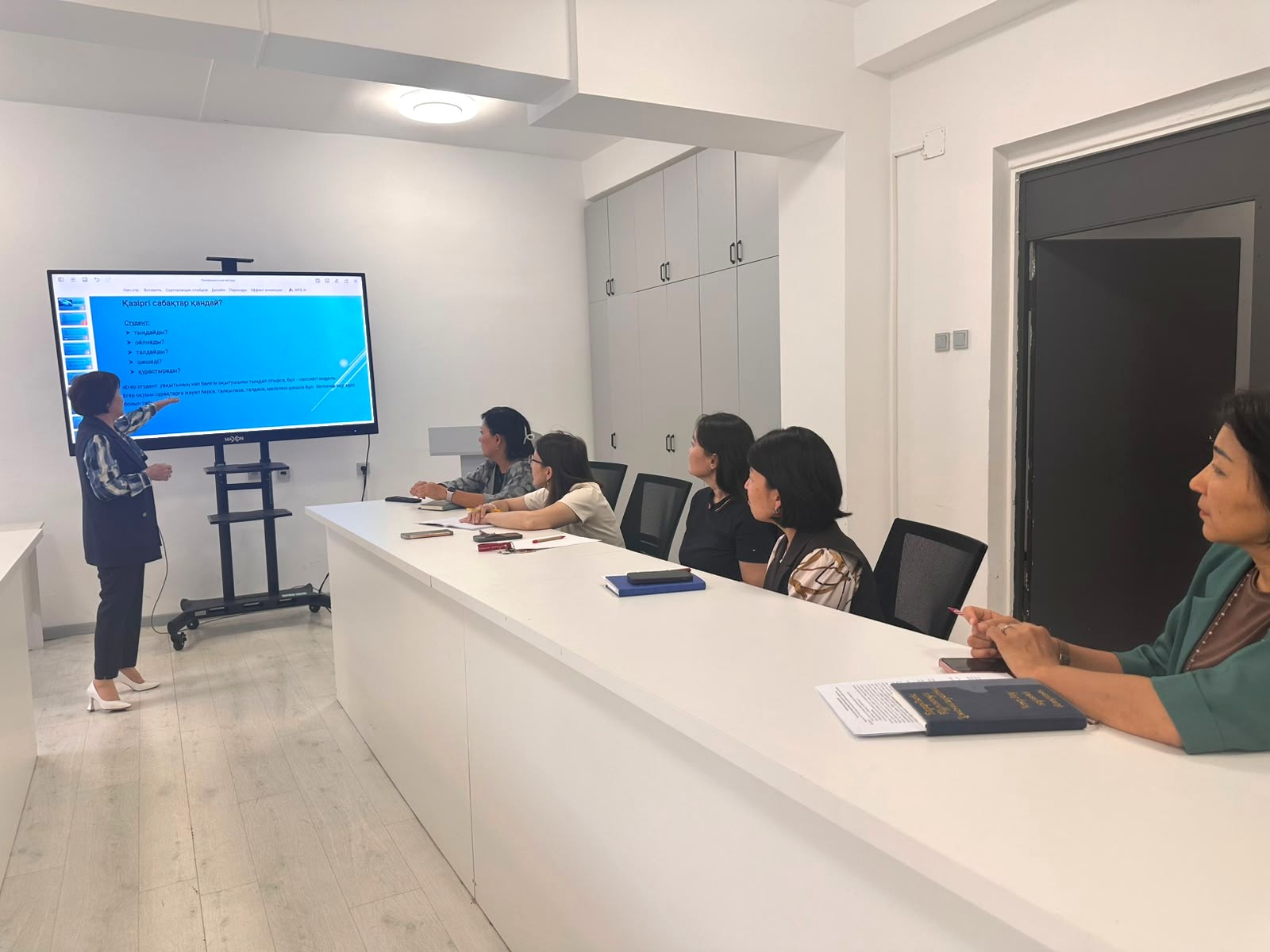
On 22 September 2026, the Faculty of Geography and Environmental Sciences of Al-Farabi Kazakh National University held a methodological seminar entitled “Innovative Methods and Technologies in Modern Teaching: From Knowledge Transmission to Active Learning.”
The seminar was delivered by A.G. Koshim, Chair of the Academic Committee for Education and Quality of the Faculty of Geography and Environmental Sciences.
The seminar focused on modern approaches to organizing the educational process and on the transition from a predominantly passive learning model to active student engagement. Particular attention was given to the idea that a modern class should encourage students not only to receive information, but also to analyze, discuss, apply and justify it, make decisions, and create their own outcomes.
Participants were introduced to active learning methods such as Problem-Based Learning (PBL), Case Study, Think-Pair-Share, Flipped Classroom, Project-Based Learning, and Mind Mapping. Practical examples demonstrated how these approaches can contribute to the development of critical thinking, independence, analytical skills, and stronger student engagement in the learning process.
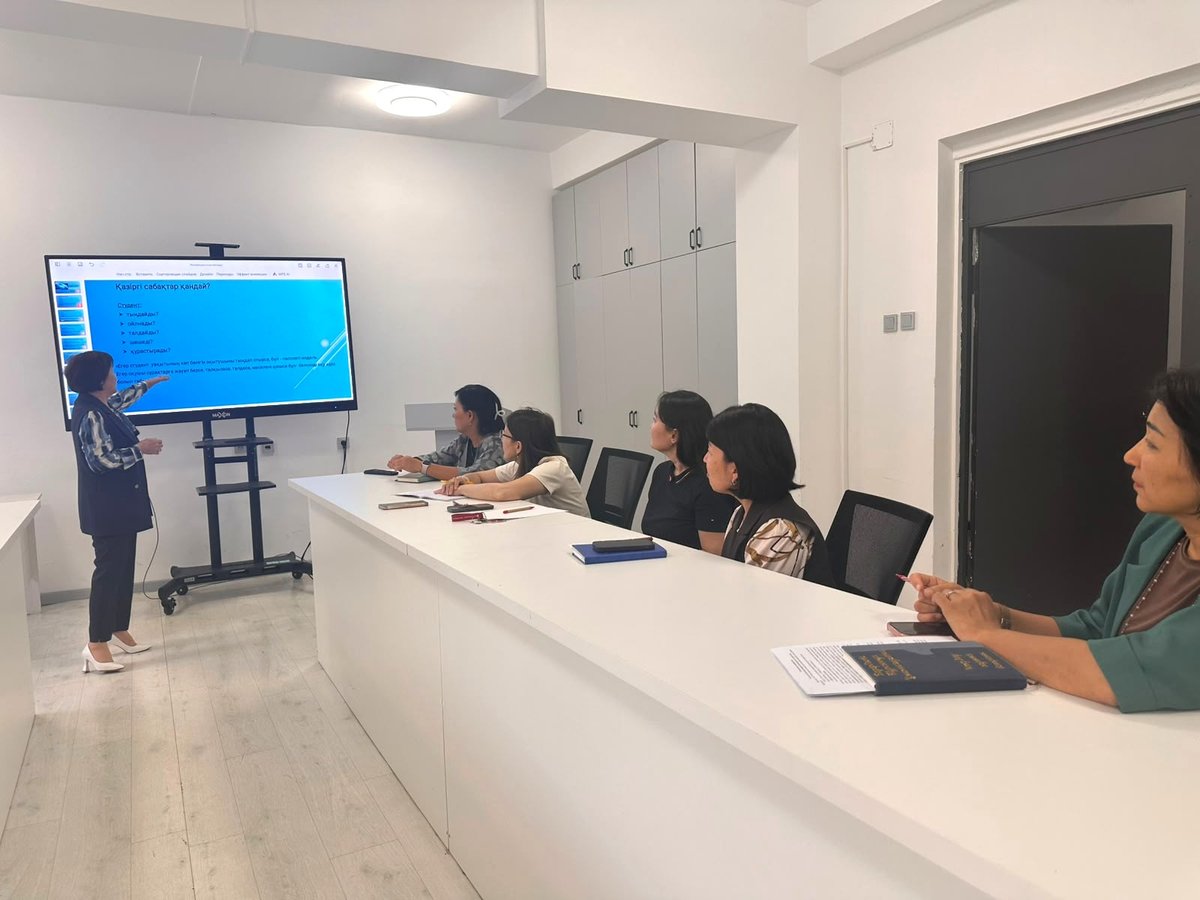
A separate part of the seminar was devoted to the use of artificial intelligence in teaching. It was emphasized that AI should not be regarded as a replacement for the teacher, but rather as an additional tool that can support the development of assignments and cases, formulation of questions, simulation of situations, organization of discussions, and preparation of feedback. At the same time, the final decision on whether materials meet the course objectives, students’ level, and academic requirements remains with the instructor.
Participants also discussed the principles of writing effective AI prompts and ways of transforming traditional assignments into problem-based tasks. The key emphasis was placed on changing the nature of student activity from reproducing information to analysis, argumentation, and independent problem-solving.
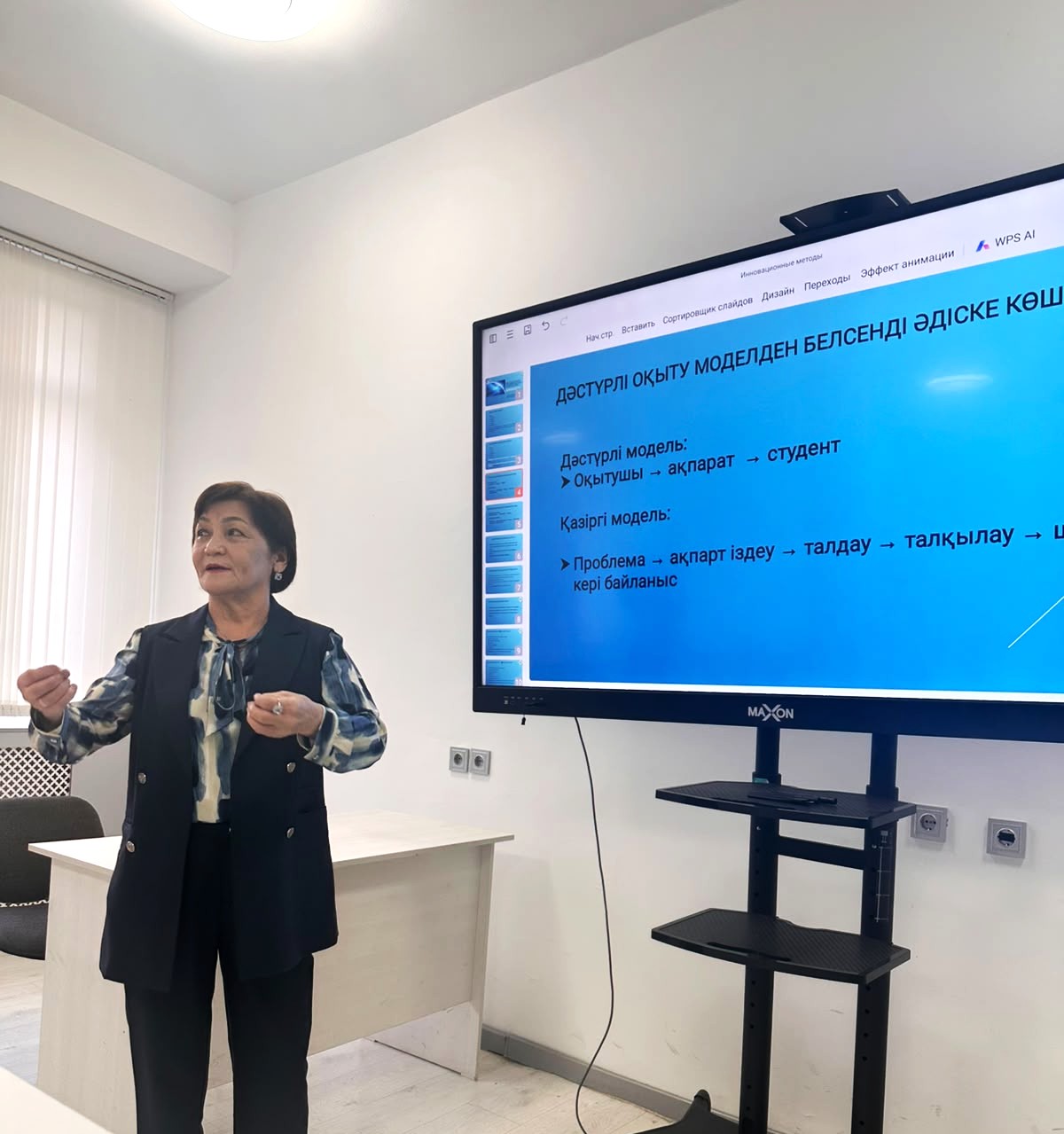
The seminar concluded with a discussion on introducing active learning methods without substantially changing course syllabi, assessing group work, maintaining academic integrity when using AI, and adapting modern teaching methods to different disciplines.
Such methodological seminars contribute to the development of a culture of innovative teaching at the Faculty and support the implementation of Sustainable Development Goal 4: Quality Education.
Other news