- Main
- News
- Unmanned Aerial Vehicles in Meteorological Research: A Lecture and Practical Session for Military Meteorological Service Specialists
Unmanned Aerial Vehicles in Meteorological Research: A Lecture and Practical Session for Military Meteorological Service Specialists
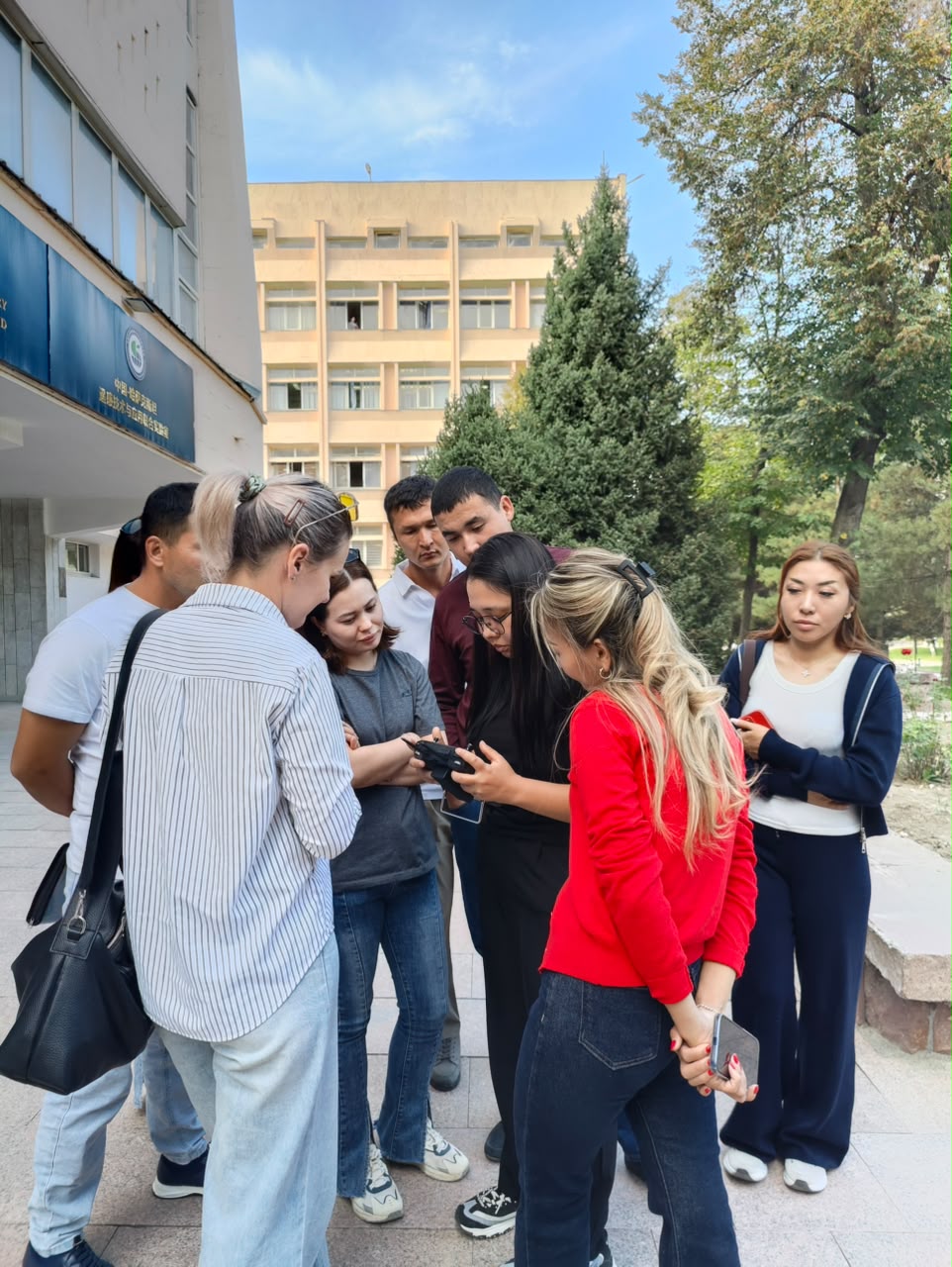
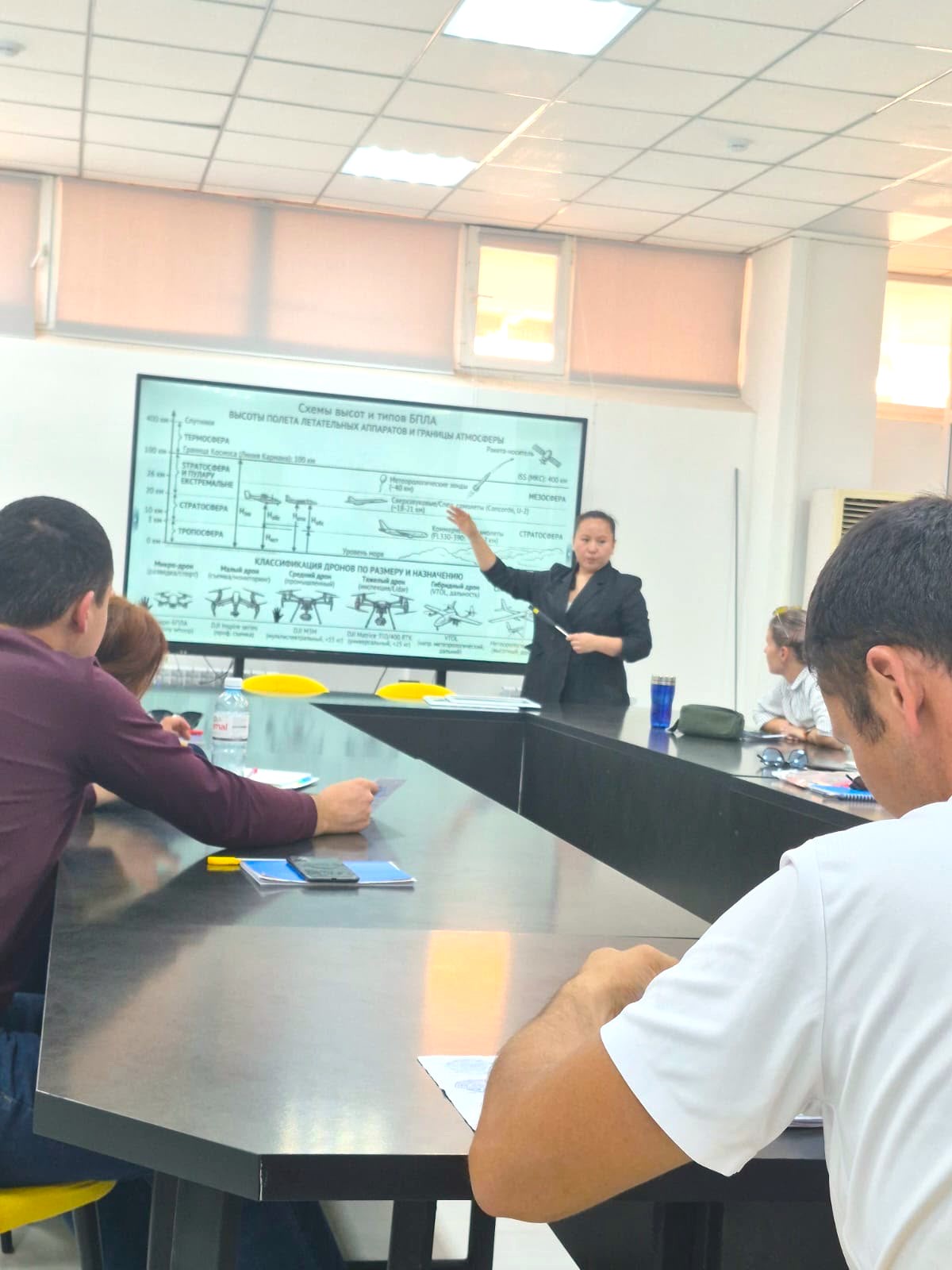
As part of a professional development course for specialists of military meteorological services, organized by the Department of Meteorology and Hydrology at Al-Farabi Kazakh National University, Dana Shokparova, Director of the Kazakhstan-China Joint Laboratory for Remote Sensing Technologies, conducted a lecture and practical session on the application of unmanned aerial vehicles in meteorological research.
The lecture, titled “Unmanned Aerial Vehicles in Meteorological Research: Laboratory Experience, Platform Classes, and Data Processing,” focused on selecting the appropriate UAV and payload depending on the research objective. Participants learned about the specific features of multirotor, fixed-wing, and hybrid platforms, as well as the capabilities of RGB, LiDAR, and multispectral sensors. Particular attention was given to the differences between surface imaging and atmospheric parameter measurements, which require specialized meteorological sensors and data quality control. During the practical session, participants were introduced to the laboratory’s UAVs, including the DJI Matrice 300 RTK equipped with Zenmuse P1/L1 sensors and the DJI Mavic 3M.
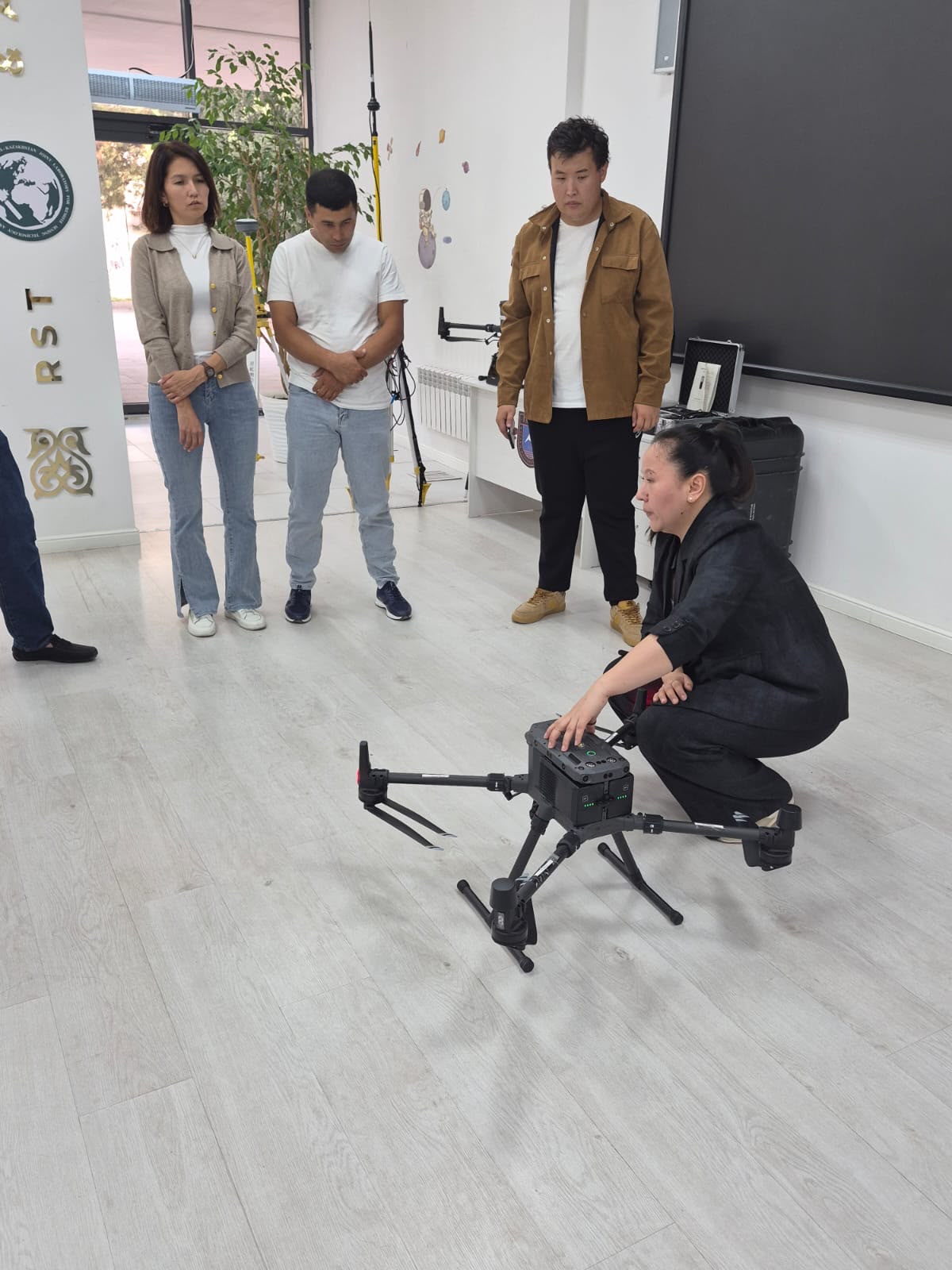
The specialists learned about their applications and technical features and reviewed the main stages of UAV preparation and launch. Particular attention was paid to the condition of the equipment and batteries, payload mounting, weather conditions, site selection, and safety measures.
The participants also discussed the processing of data obtained from UAVs, including the creation of orthophotomaps, terrain models, point clouds, and spectral indices. It was emphasized that obtaining atmospheric profiles requires properly installed and calibrated meteorological sensors.
The lecture and practical session allowed participants to become familiar with the capabilities of unmanned technologies and their applications in meteorological research. Such training sessions complement the professional development of specialists and contribute to strengthening cooperation between university research and specialized services.
Other news