- Main
- News
- Quality education. Educational models of Kazakhstan and countries around the world: a comparative analysis”
Quality education. Educational models of Kazakhstan and countries around the world: a comparative analysis”
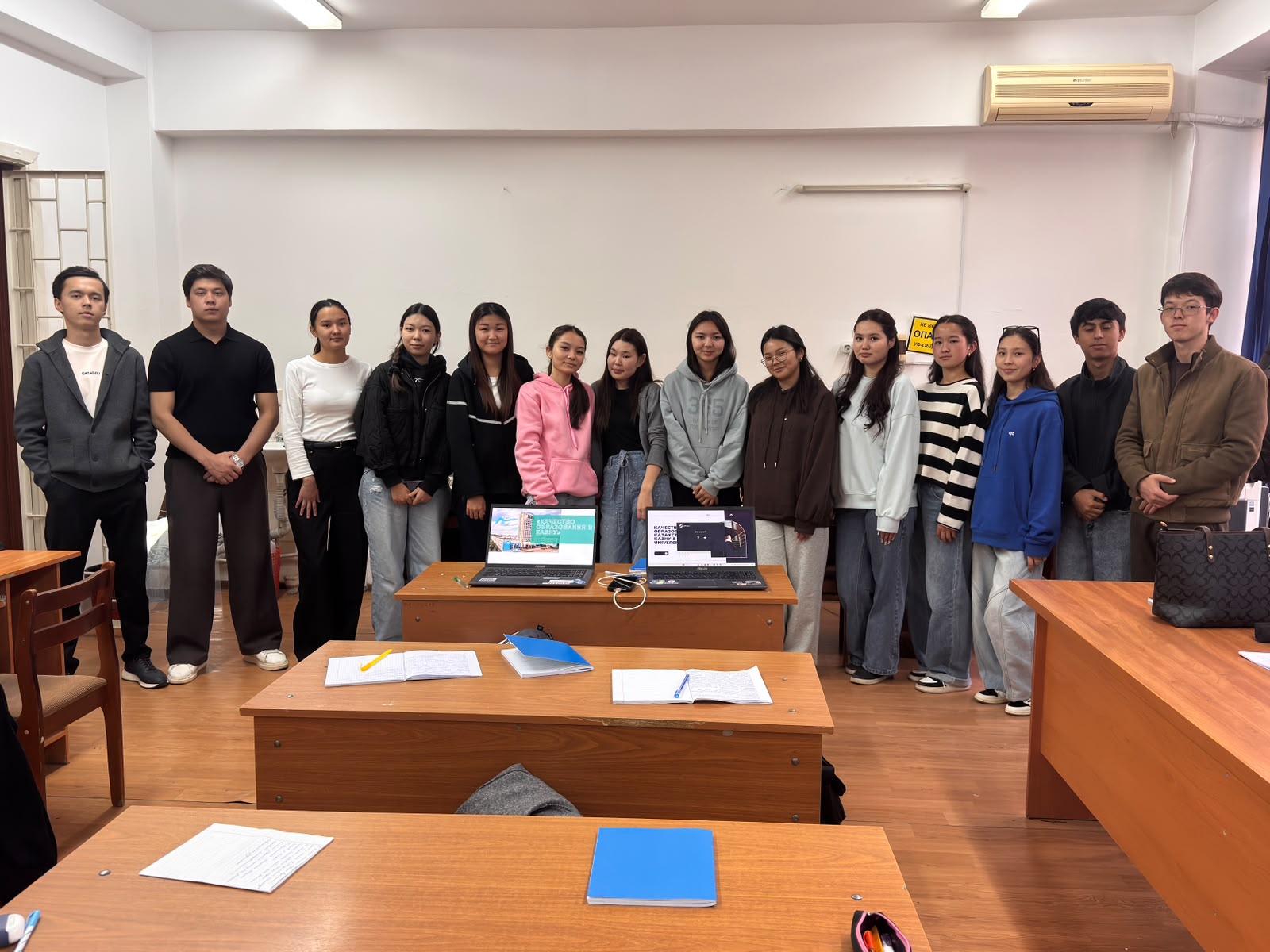
On October 5, 2026, Yekaterina Yevgenyevna Gunina, a lecturer at the Department of Russian Philology and World Literature, conducted a class for first‑year students majoring in Biology on the topic “Quality Education in Kazakhstan: Principles, Opportunities, and Prospects.”
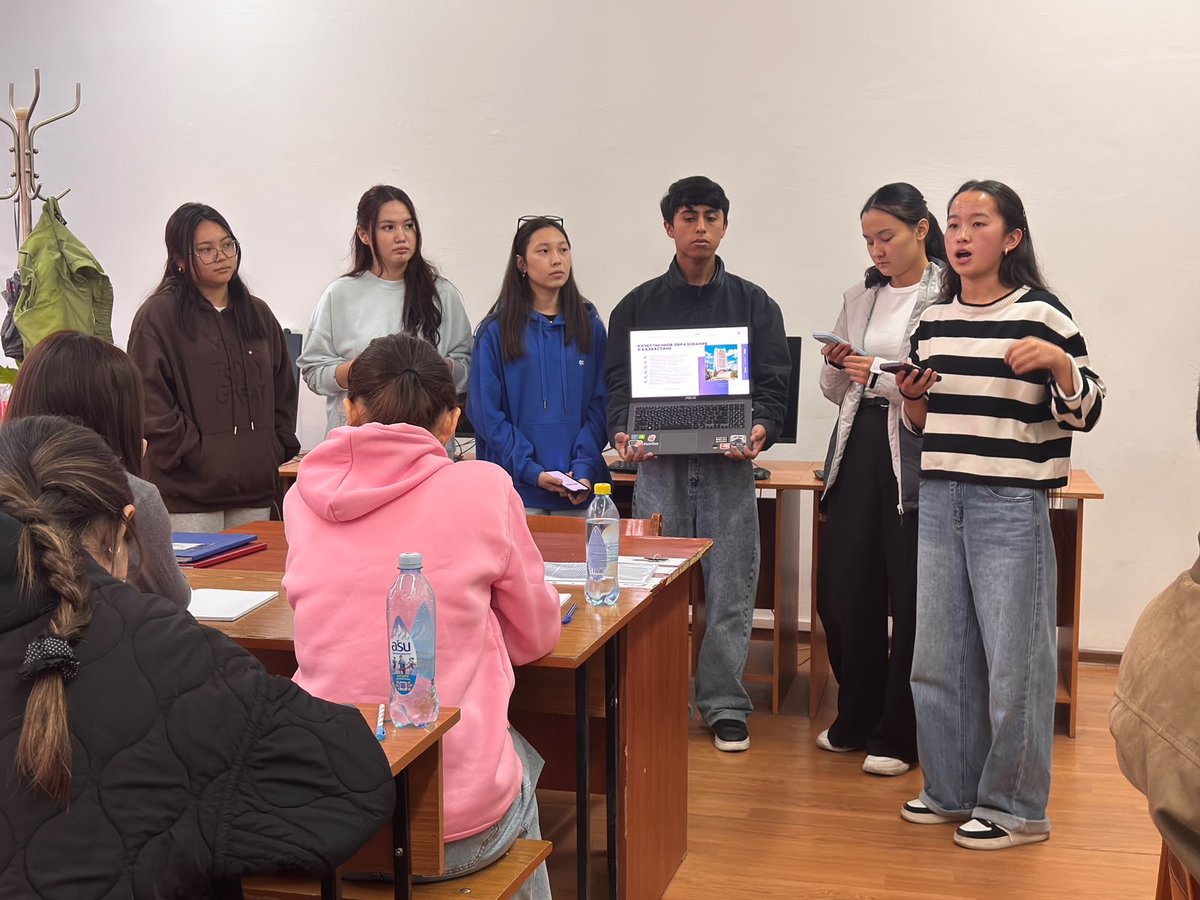
The lesson was held as part of the implementation of the objectives of Sustainable Development Goal 4 “Quality education. Educational models of Kazakhstan and the countries of the world: a comparative analysis”. During the lesson, the system of higher education in Kazakhstan, its structure, principles, educational programs, provisions of the Law “On Education”, and the specifics of studying at the al-Farabi Kazakh National University were considered.
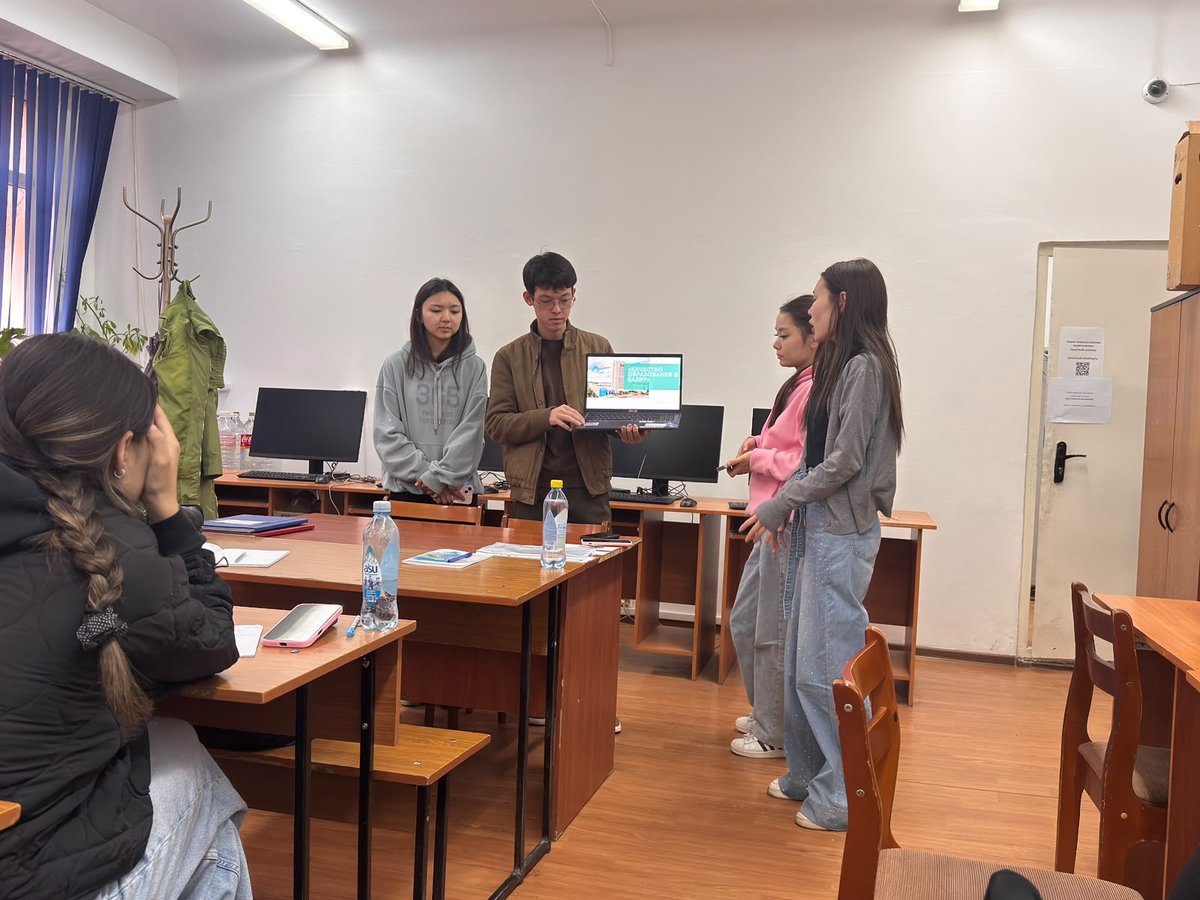
The students’ reports and presentations presented the education system at Al‑Farabi Kazakh National University: the goals and objectives of education, curricula, the Student Honor Code, inclusive education, employment, academic mobility, dual‑degree education, and compliance with the provisions of the Constitution and the Law “On Education”. Based on the results of a comparative analysis of educational models in Kazakhstan and selected countries around the world (the USA, China), as well as the education systems at various universities in Kazakhstan, students identified the advantages of studying at Al‑Farabi Kazakh National University: the university’s high ranking, modern teaching technologies, the OpenKazNU platform, a wide selection of countries and universities for foreign internships, a high graduate employment rate, the convenient location of dormitories, and its own library, which contains the works of domestic and foreign scholars that are necessary for studying.
Students actively participated in the discussion of the need to maintain a comfortable, friendly educational environment based on mutual respect, mutual assistance, tolerance and equal treatment of all students, discipline, timely completion of seminar assignments and SRS.
During the lesson, ideas were formed about what modern education should be, which can contribute to obtaining high-quality education that meets the requirements of society and the state and is focused on the successful professional realization of future specialists.
Other news