- Main
- News
- THE PSYCHOLOGICAL AND PHYSICAL SAFETY OF A STUDENT IS THE BASIS FOR OBTAINING A HIGH-QUALITY EDUCATION
THE PSYCHOLOGICAL AND PHYSICAL SAFETY OF A STUDENT IS THE BASIS FOR OBTAINING A HIGH-QUALITY EDUCATION
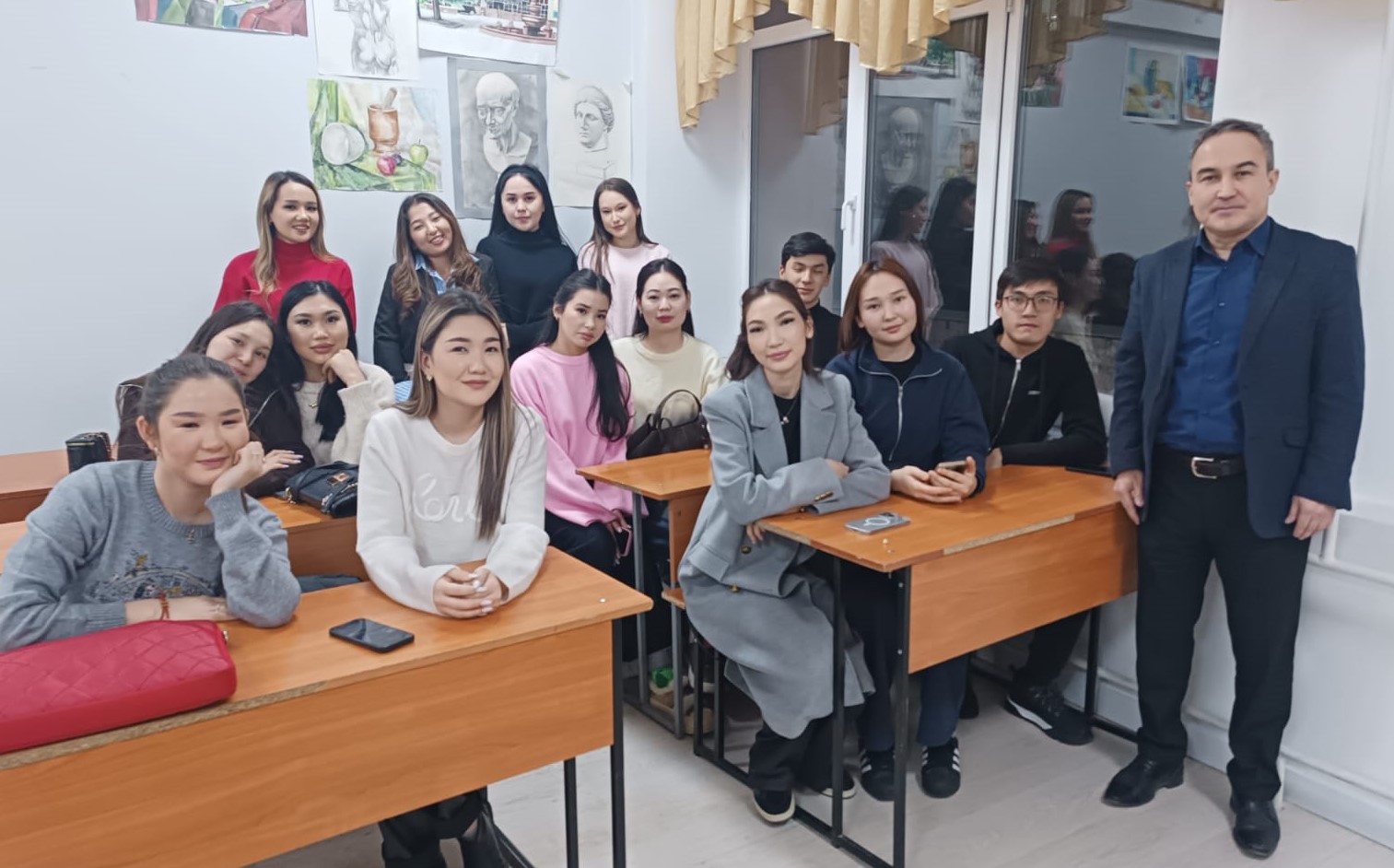
A curatorial lesson on «Psychological and physical safety of the student» was held under the guidance of Imanaliev Zhalgas.
Psychological and physical safety of a student is a curatorial lesson on the topic «Psychological and physical safety of a student» in order to preserve the basic conditions for his personal development, health and success in the educational process. During the lesson, the rules of self-preservation, bullying endurance, psychological safety and physical fitness, and problems were explained in detail to the students.
The main purpose of the curatorial lesson is to explain to students the importance of psychological and physical safety in everyday life and to help them become psychologically independent and responsible people in the future. In modern society, psychological and physical security plays an important role not only in personal life, but also in a person's professional activities.
The student's safety at the university during classes is complex and includes both external protection from physical threats, as well as an internal sense of stability, protection from psychological violence. Physical and psychological safety are inseparable: It has been suggested that dissatisfaction with the basic needs of comfort and safety of the body impairs mental health, and high levels of anxiety and stress reduce physical immunity and adaptation.
The main indicators of a psychologically safe environment at the university are: the absence of intimidation and pressure from teachers or fellow students; the friendly nature of interpersonal relationships; the ability to openly express their opinions without fear of criticism or underestimation; a high level of psychological comfort and academic satisfaction. The issues of anti-terrorist protection of university buildings and dormitories, compliance with sanitary and hygienic standards, fire safety, lighting and convenience of educational facilities were discussed.
A student who feels safe spends his body's resources on cognitive activity and creativity, and living in constant stress or fear leads to burnout, psychosomatic illness, and expulsion. She was informed that the creation of a safe environment requires systematic work by the university administration, curators and the psychological assistance service aimed at conflict prevention, support for first-year students and the creation of an inclusive culture.
At the end of the curatorial lesson, it was noted that the student's psychological and physical safety contributes to improving the student's quality of life, preventing learning difficulties and creating a reliable plan for the future. It was explained to the students that psychological and physical safety plays an important and crucial role.
In conclusion, the curatorial session led by Imanaliev Zhalgas was aimed at expanding students' understanding of safety, preventing bullying and focusing on issues of psychological safety. Such educational and cognitive activities form psychological thinking among young people and serve as the basis for them to make informed and responsible decisions in the future.
Other news