Kazakhstan’s interests in Turkic integration
Researchers at Al-Farabi Kazakh National University developed a project to examine the opportunities and risks that closer cooperation among Turkic-speaking states could bring for Kazakhstan. The applied research was designed for 2024–2026 and considers geopolitical developments in Central Asia, the Caucasus and the Middle East. Its aim is to assess how closer ties in trade, education and security could serve Kazakhstan’s national interests.
The shared history and cultural ties of Turkic-speaking peoples provide a basis for dialogue among their countries. Each state also has its own foreign policy priorities and economic interests. The team proposed comparing the countries’ foreign policy strategies to identify where they could find common ground and where their priorities diverge. The comparison would help assess Kazakhstan’s prospects for developing bilateral ties and working through multilateral organisations.
Trade and transport links
One of the economic questions is whether a free trade area could be established. The team proposed assessing the countries’ interest in such an arrangement and the conditions that could support wider trade. Kazakhstan has no direct access to the world’s oceans, so routes through neighbouring countries are important for reaching international markets. The trade analysis would therefore consider how seaports connect to overland transport routes.
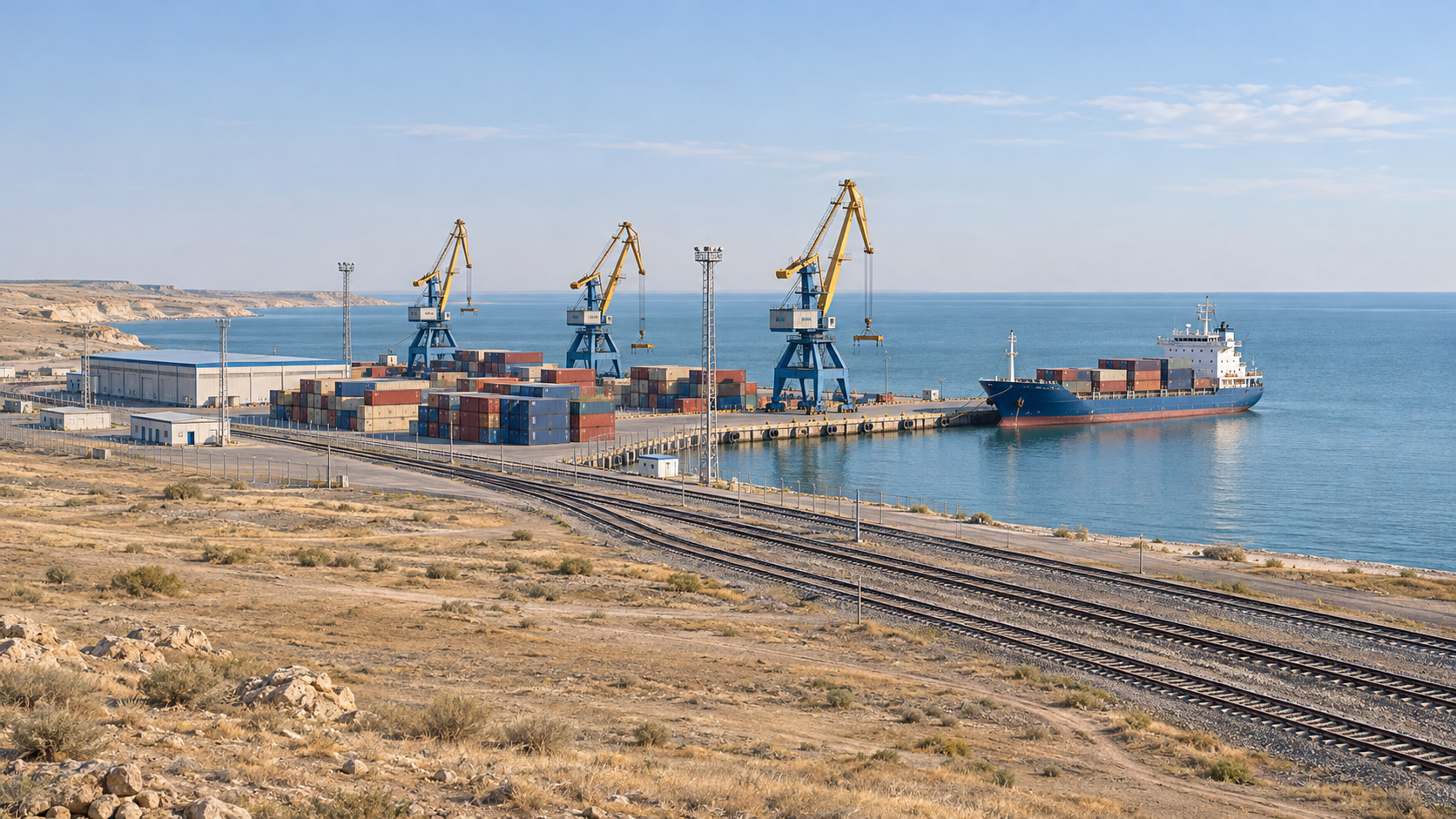
The Caspian ports of Aktau and Baku provide concrete examples. The research plan calls for examining port infrastructure and consulting freight transport specialists. In the Caucasus, it also focuses on the Baku‑Tbilisi‑Kars railway. The route offers a way to study how freight from the Caspian could reach Türkiye and what constraints could affect transfers between maritime and rail services.
In Georgia, the study plan includes transit terminals on the Black Sea and transport infrastructure near the Turkish border. These sites offer a way to trace how freight from the Caspian could reach overseas markets after crossing the Caucasus. Comparing different parts of the route would help assess transport links between Kazakhstan and Azerbaijan and identify where more capacity might be needed if trade expanded.
Education and political dialogue
The team proposed studying educational and cultural cooperation through the experiences of universities and research centres in Turkestan, Tashkent and Bishkek. Discussions with specialists would help the researchers examine how universities work together and where they could expand academic exchange. One example of a cultural initiative is the idea of a common alphabet. It raises the question of how shared initiatives fit with each country’s language policies and approach to national identity.
The political analysis covers bilateral relations and multilateral dialogue through the Organization of Turkic States. The researchers proposed assessing whether joint institutions could be established, what responsibilities they could take on and how those responsibilities would fit the participating countries’ interests. The project also examines where states could work together on security, including ways to prevent threats that cross national borders.
The risk assessment takes into account the positions of Kazakhstan’s major neighbours, including Russia and China. The project asks how closer ties with Türkiye and other partners could affect established political and economic relationships. One question is how other countries with interests in the region might respond to new initiatives. Their responses could influence trade and transit conditions and shape Kazakhstan’s options in multilateral negotiations.
Research methods and sources
The research plan calls for analysing official documents, agreements, public statements and academic publications, alongside field research. It includes interviews with policy experts, business representatives and university staff. Bringing these sources together would allow the team to compare official positions with the views of people directly involved in trade, academic exchange and regional cooperation.
The plan includes consultations in Astana with specialists from research centres and the Turkic Academy, as well as with members of the diplomatic community. The team proposed fieldwork in Kazan to study perceptions of Türkiye and other Turkic-speaking states in Russia. In Georgia, the plan includes interviews with local researchers and members of Turkic-speaking diaspora communities. The interviews would provide a basis for comparing government, expert and community perspectives on integration.
The project draws on political realism, which examines international relations through national interests and the balance of power. This approach can help explain why states choose particular forms of cooperation and how their positions could shift if external conditions change. Scenario modelling would allow the team to compare possible paths for integration. Case studies from other regions would help identify the circumstances in which particular approaches to cooperation have been effective.
Expected outcomes
The project’s practical aim is to identify promising areas of cooperation for Kazakhstan and develop recommendations that account for potential risks. A planned collective monograph would examine bilateral and multilateral ties among Turkic-speaking states, transcontinental projects and cooperation within other regional partnerships. The project also envisages academic articles, an international conference with researchers from abroad and publication of the conference proceedings.
The recommendations are intended for public institutions, policy research centres and international relations specialists. The team also proposed using the research in higher education, including in the development of elective courses on Kazakhstan’s foreign policy and regional security. The case studies would give students examples of how agreements, transport routes and political conditions shape decisions about international cooperation.
Other news