- Main
- AL-FARABI NEWS LETTERS
- KazNU Scientists Conduct Comprehensive Research into the Archaeological Heritage of the Markakol Basin
KazNU Scientists Conduct Comprehensive Research into the Archaeological Heritage of the Markakol Basin

Scientists at Al-Farabi Kazakh National University are conducting a research project dedicated to the comprehensive and interdisciplinary study of the archaeological monuments and cultural heritage of the Markakol Basin in the Kazakh Altai. The research covers the period from the Bronze Age to the Middle Ages and aims to generate new scientific knowledge about the culture, economic traditions and historical development of the region's ancient populations.
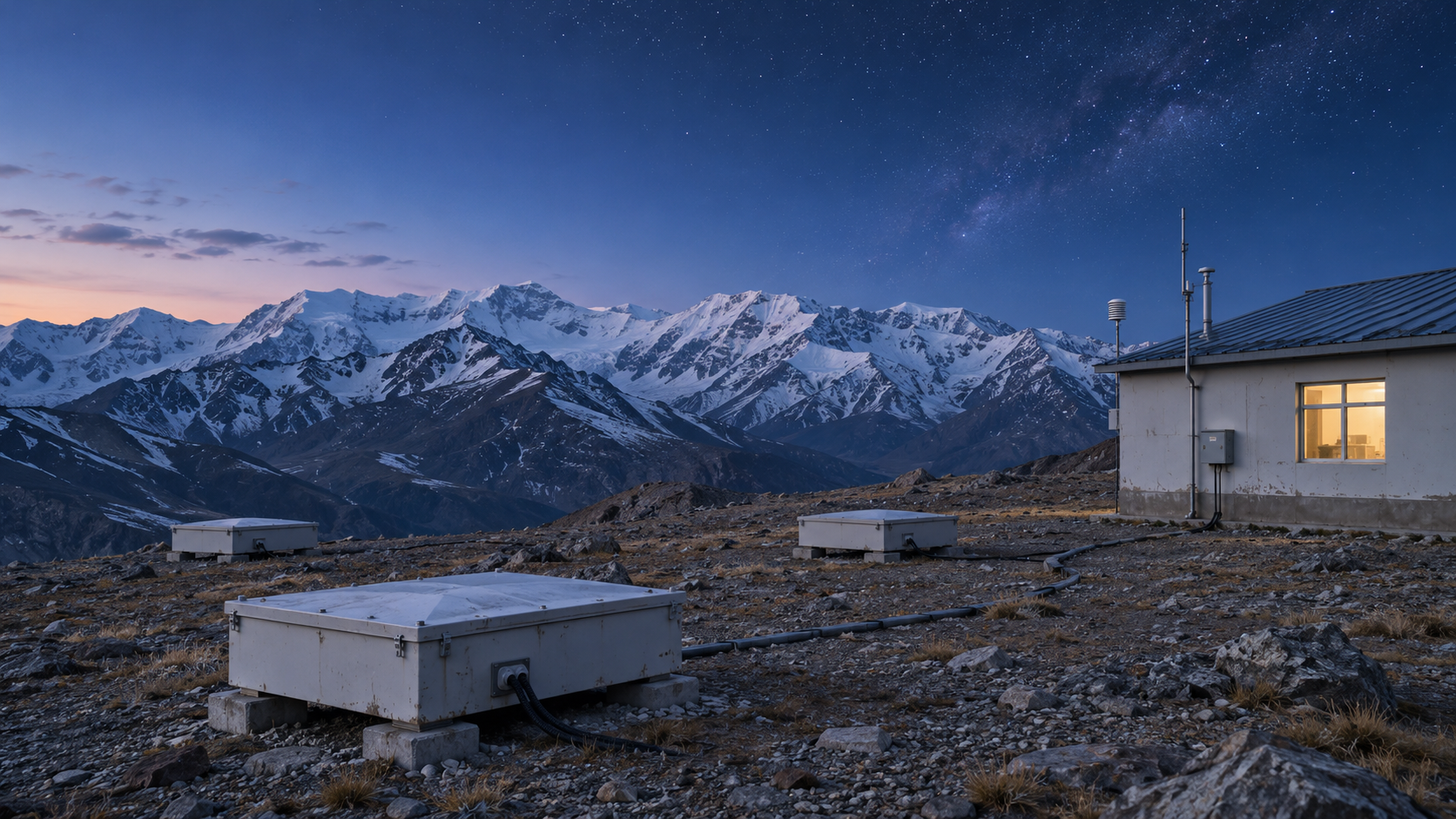
Located in the high-mountainous area of the Kazakh Altai, the Markakol Basin is one of Kazakhstan's unique historical and cultural regions. Its distinctive natural environment and harsh climatic conditions may have contributed to the preservation of archaeological sites and materials of exceptional scientific value.
The main objective of the project is to search for, document, register and comprehensively investigate ancient and medieval archaeological monuments in the Markakol Basin in order to identify cultural connections and examine the formation and development of the region's economic and cultural traditions.
As part of the research, archaeological monuments from the Markakol region will be compared with historical and cultural sites in neighbouring areas of the Altai, including regions of Russia, China and Mongolia. This comparative approach will help researchers gain a deeper understanding of cultural connections, historical continuity and broader processes that developed across Eurasia.
Special attention will be given to archaeological sites dating to the Bronze Age, the Early Iron Age, the ancient Turkic period and the Middle Ages. The project includes archaeological surveys, field research and excavations, while newly identified sites will be systematically documented and incorporated into scientific databases.
One of the important directions of the project is the creation of a comprehensive database and archaeological map of the region. The geographical location, topographical characteristics and key historical and cultural features of each identified monument will be recorded and systematised.
Modern technologies will play an important role in the study of archaeological sites in the Markakol Basin. Researchers plan to use unmanned aerial vehicles for aerial photography, as well as laser scanning and LiDAR technologies for investigating extensive and difficult-to-access areas.
Advanced remote sensing methods make it possible to study large territories more efficiently and identify archaeological objects that may be concealed by terrain features or vegetation. The collected information will be systematised using geographic information technologies and will contribute to the development of detailed archaeological maps of the region.
A separate area of the project focuses on the study of rock art and petroglyphs. The identification, documentation, description and comparative analysis of images dating to different historical periods are expected to provide new insights into the worldview, spiritual culture and artistic traditions of ancient communities.
Archaeological materials recovered during fieldwork and excavations will be studied using not only traditional archaeological methods but also modern approaches from the natural sciences.
One of the defining features of the project is its interdisciplinary character. The research brings together methods from archaeology, history, geoarchaeology, archaeozoology, physical anthropology, genetics, geophysics and other scientific fields.
The project will also draw on the research capacity of the Kazakh-French ZooSTAn Archaeozoological Centre for Central Asian Studies at KazNU. Researchers plan to study animal bone remains in order to obtain new information about the fauna of the region, the economic activities of ancient populations and the development of animal husbandry.
Modern laboratory methods, including cementochronological research and ZooMS technology, are expected to be applied as part of the project. These approaches will make it possible to investigate archaeological materials in greater detail and obtain new scientific data on the animal world of ancient periods.
X-ray fluorescence analysis will be used to determine the composition of metal artefacts. The study of weapons, tools and other metal objects will help researchers identify the characteristics of the materials and technologies used in their production.
Radiocarbon analysis will also be used to establish and clarify the chronology of archaeological sites and materials. This will provide a scientific basis for determining the chronological framework of historical and cultural complexes in the Markakol Basin.
Scientists will additionally apply geophysical research methods. Ground-penetrating radar and geomagnetic technologies will help investigate the internal structure of burial mounds and other archaeological sites while minimising disturbance to the monuments.
These methods can provide valuable information about underground structures, the spatial organisation of archaeological complexes and the planning of future excavation work.
An important direction of the project is the reconstruction of the economic life of ancient and medieval populations. Archaeological and archaeozoological materials will be used to investigate the development of animal husbandry, dietary practices and the use of natural resources.
Researchers will also examine the relationship between ancient societies in the Markakol region and their natural environment. Mountain landscapes, water resources and climatic conditions will be considered important factors influencing human settlement, economic activities and the formation of cultural traditions.
Special attention will be given to ancient burial practices and the architectural characteristics of archaeological complexes. The structure of burial mounds, the features of funerary rites and the spatial distribution of monuments may provide new information about the social organisation and worldview of ancient societies.
One of the research directions will focus on materials associated with the Kimak period. Based on archaeological evidence, including weapons, clothing and horse equipment, scientists plan to create graphic reconstructions of selected elements of historical culture.
The study of the archaeological heritage of the Markakol Basin is particularly important in the context of global climate change. Changes in environmental conditions may affect the state and preservation of archaeological monuments.
For this reason, the timely identification, documentation and scientific investigation of sites containing valuable evidence about the history and culture of ancient populations represent an important component of the project.
The research is expected to systematise new information on the historical development of the Markakol Basin from the Bronze Age to the Middle Ages. The findings will broaden understanding of the region's cultural and economic development and its connections with neighbouring territories.
The results of the project are planned to be published in national and international scientific journals and introduced into broader academic circulation. One of the project's outcomes will be the preparation of a collective book-album entitled “Ancient Culture of the Markakol Basin.”
The project is important for the preservation of Kazakhstan's archaeological and cultural heritage, the study of the ancient history of the Kazakh Altai and the wider promotion of national historical and cultural values.
The historical and cultural potential of the Markakol region is also relevant to the development of ecological and historical tourism. The region's unique natural environment, Lake Markakol and its archaeological sites could contribute to the development of educational and research-oriented tourism routes.
This research project by KazNU scientists represents an important step toward the systematic study of the archaeological heritage of the Kazakh Altai, much of which remains insufficiently explored.
The project's findings will contribute to a deeper understanding of the cultural history of populations that inhabited the territory of Kazakhstan during ancient and medieval periods, advance research into historical continuity and support the development of new scientific approaches to preserving national cultural heritage.
Other news